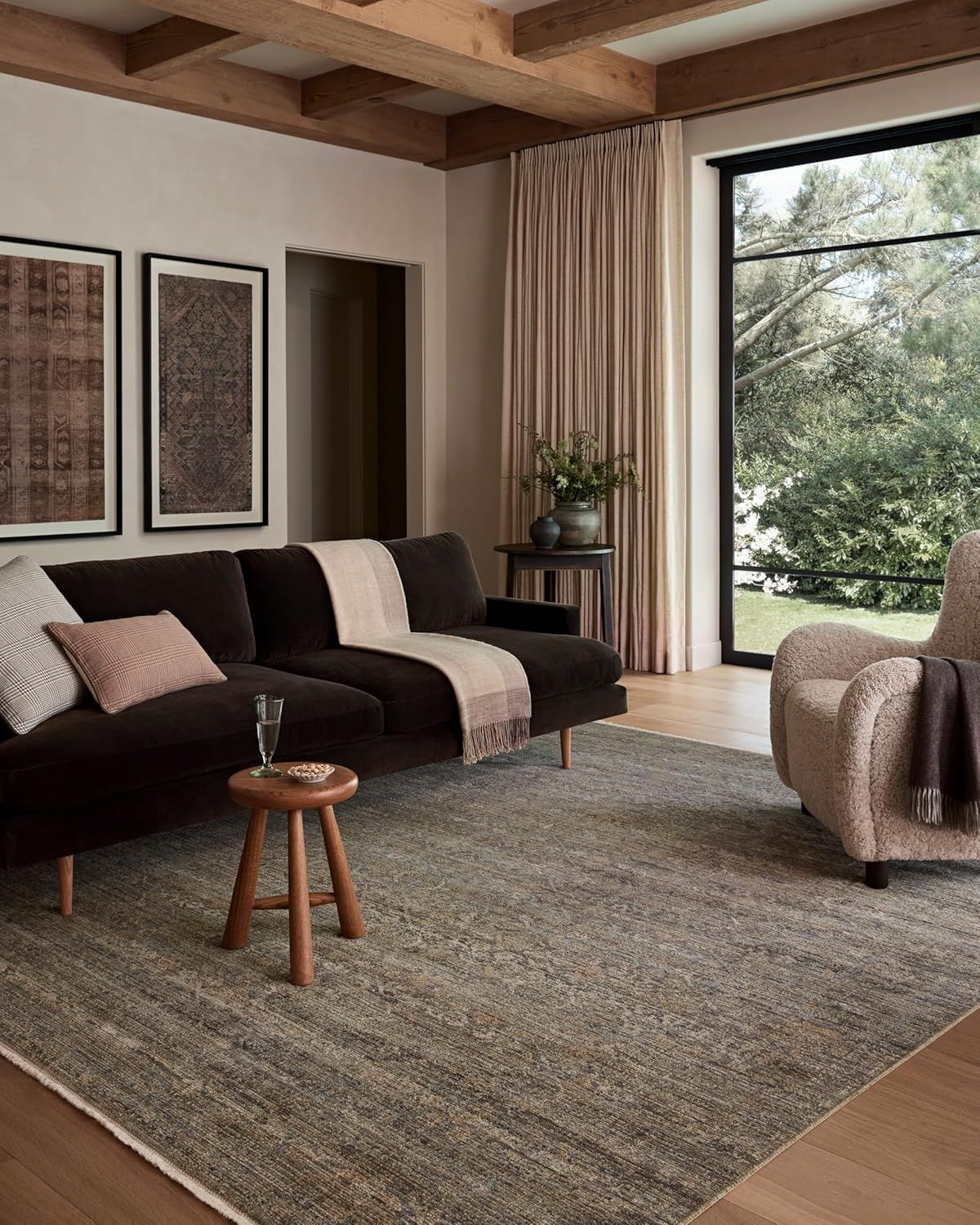
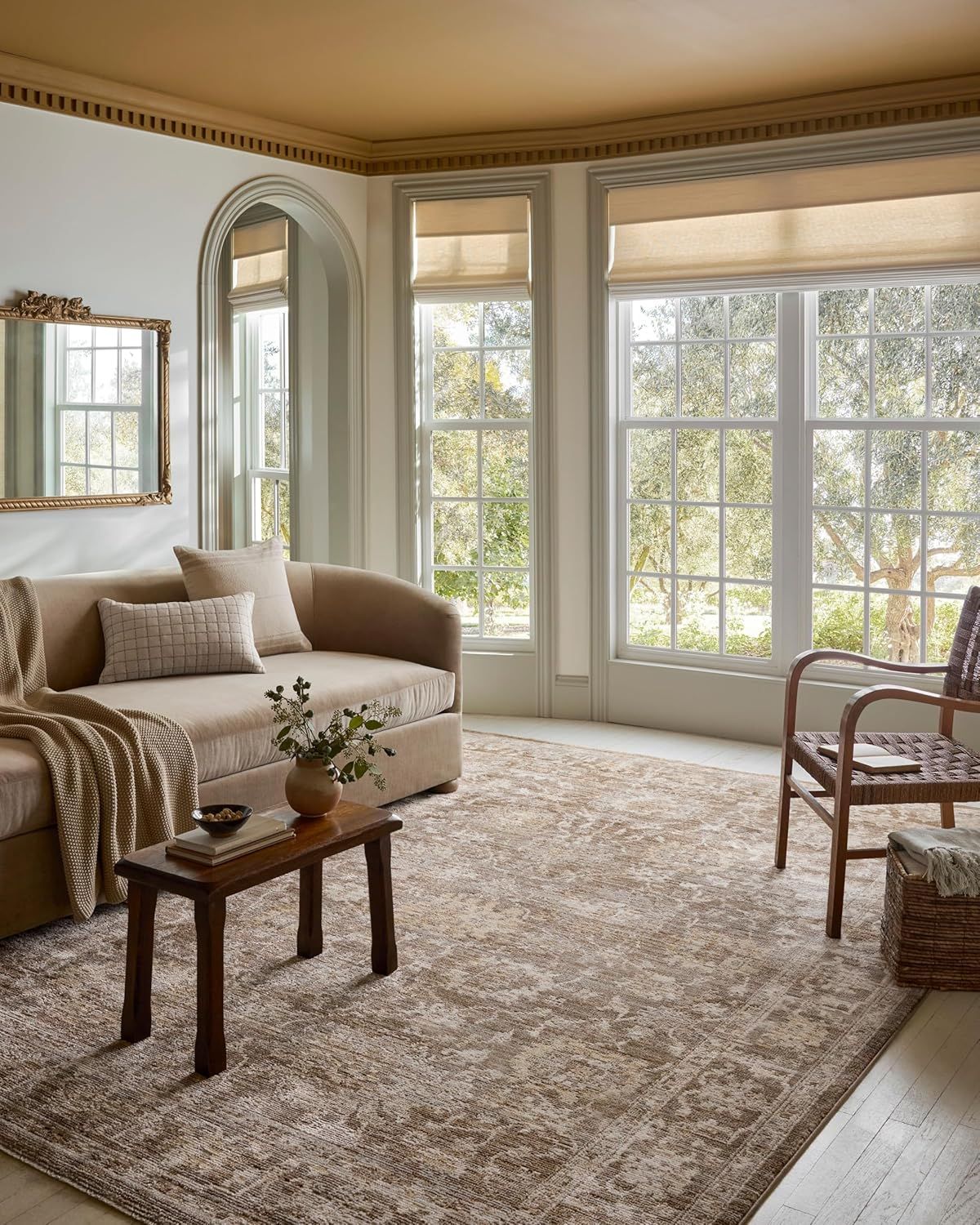
copy.jpg)

*This post contains Amazon affiliate links. If you use these links to buy something, Z & Co. Design Group may earn a commission. Check out our curated list of home essentials here.
For guidance on rug dimensions for different spaces, see our post on how big should my rug be.
The importance of rugs in interior design can’t be overstated. They soften architectural lines, introduce texture, protect flooring, and help rooms feel layered rather than unfinished. Yet they are often one of the most overlooked elements in a home.
As experienced Atlanta interior designers, we often tell clients that a rug isn’t just a finishing touch. It’s one of the foundational layers that helps define the overall feel of a space.
Whether you’re selecting the best rugs for wood floors, searching for the best rug material, or simply trying to understand how to use rugs in interior design, we can ensure your rug selections fit your home functionally and aesthetically for years to come.
Don’t miss the final section of this blog, where we bring all of our tips together and select the best material, pile, and pattern for each room!
Best Rugs for Hardwood Floors
 (1) copy.webp)
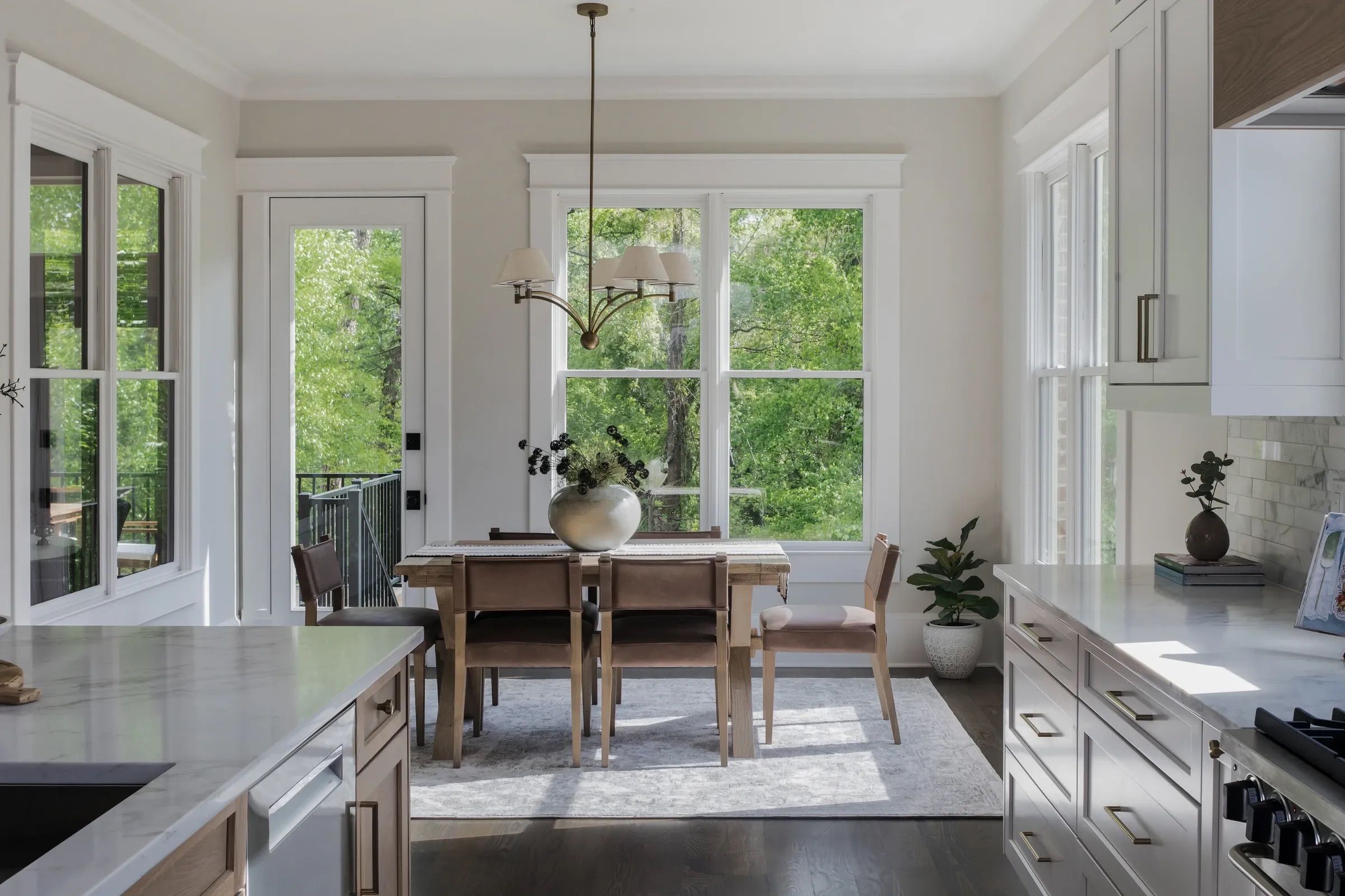
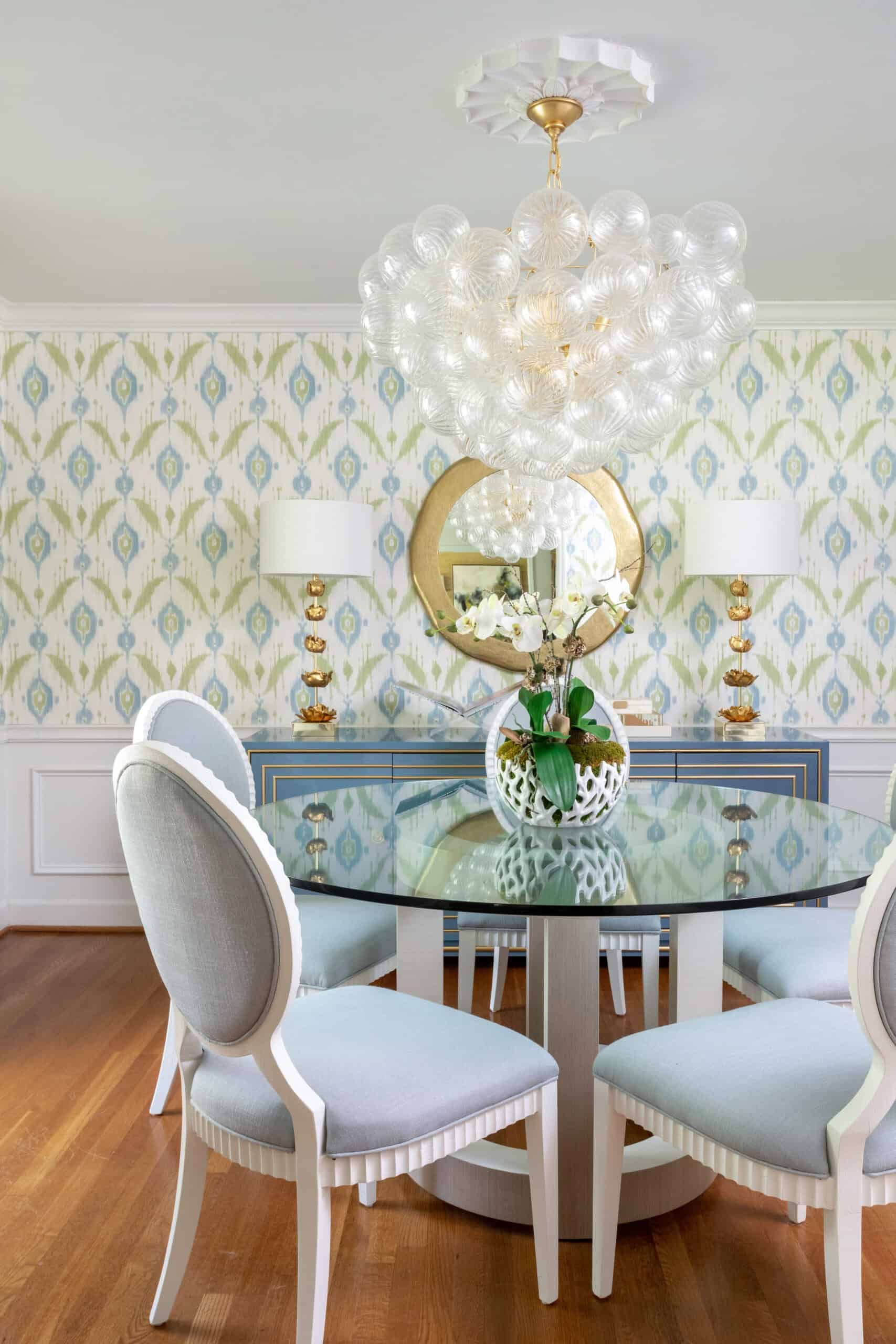
A low-pile rug is one of the best choices for dining rooms, allowing chairs to slide easily while protecting hardwood floors.
When selecting the best rugs for wood floors, one of the biggest mistakes homeowners make is choosing a rug with undertones that clash with the flooring rather than complement it.
For example:
- Warm oak floors paired with cool gray rugs can make the flooring appear more orange
- Red-toned hardwoods often clash with overly yellow or orange rugs
- Highly distressed rugs can sometimes compete visually with heavily grained flooring
On the opposite end of the spectrum, matching the rug and flooring too closely can make the room feel flat rather than layered. A good rule of thumb is to shift the rug value one level lighter or darker than the flooring.
For example, if you have dark wood floors, a medium-value rug often creates the best balance, adding contrast and separation without feeling overly stark. Similarly, lighter wood floors typically pair best with medium- or deeper-toned rugs to help ground the space and add visual dimension. The goal is usually contrast in value, not contrast in undertone.
Moreover, if your flooring already has a lot of movement or variation, a quieter rug often creates a greater sense of balance. If the flooring is more uniform, that’s where you can introduce additional texture or pattern through the rug itself.
Best Rug Pad for Hardwood Floors
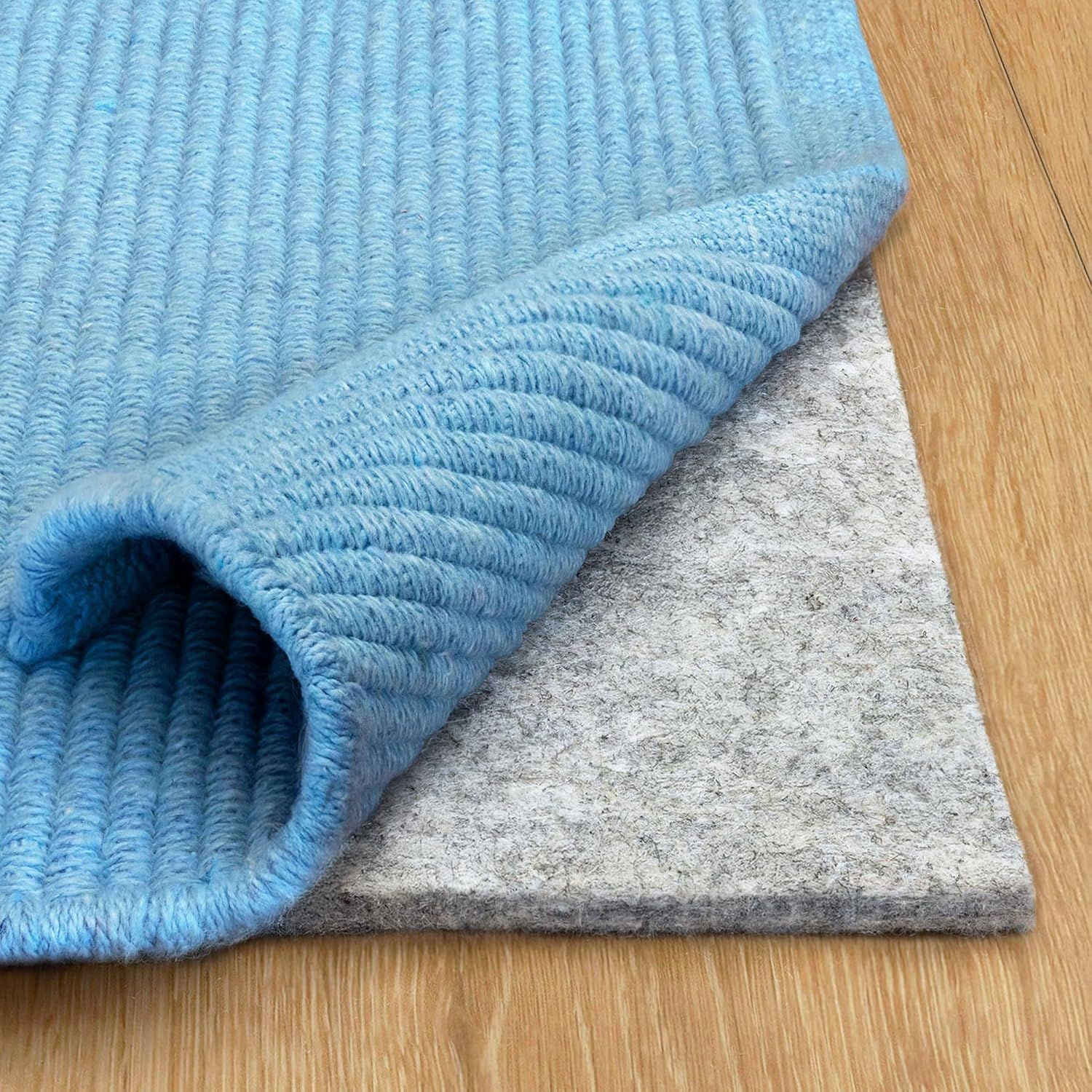
Rug pads are a must, and the best rug pad for hardwood floors will provide comfort, prevent tripping, extend the rug's life, and protect the flooring beneath.
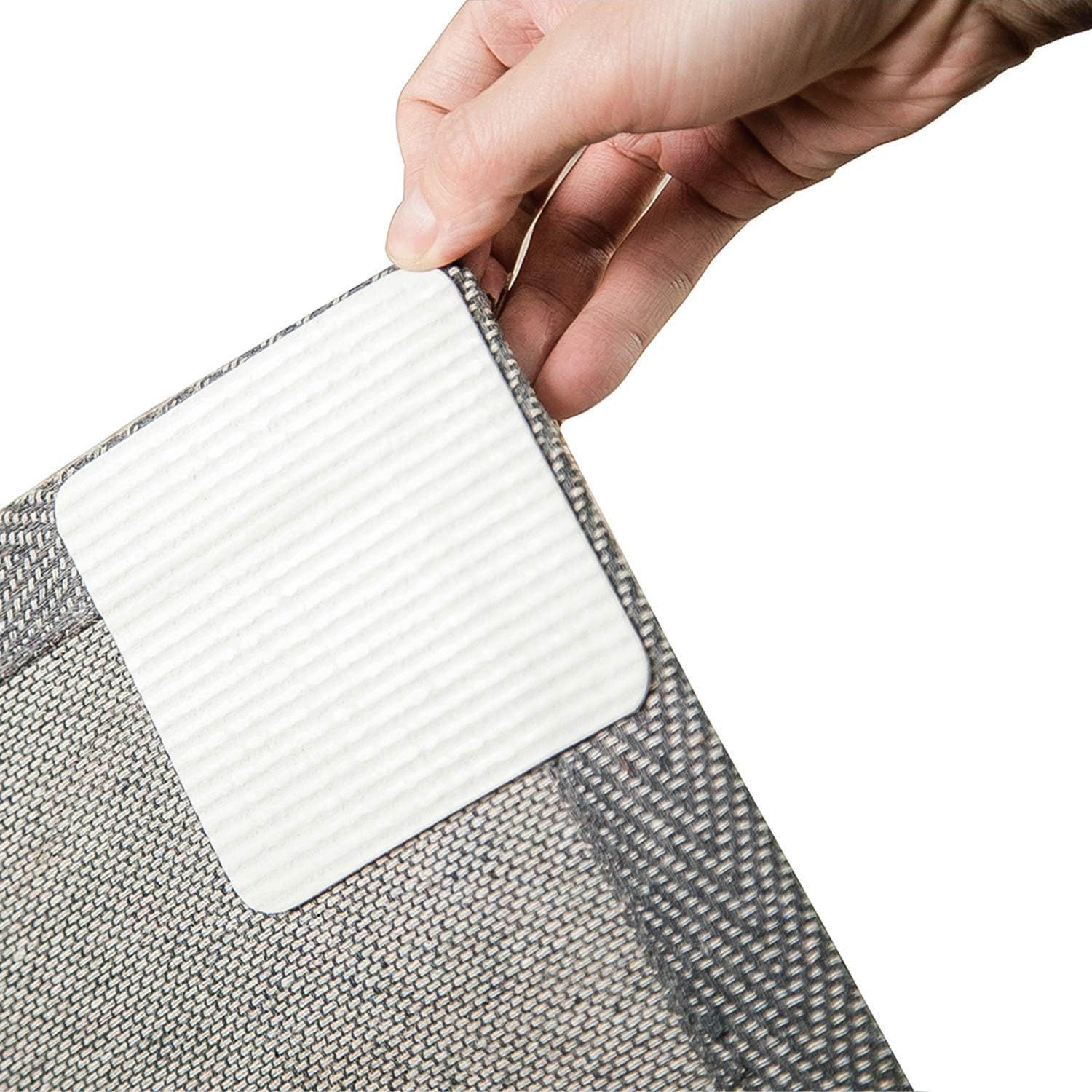
For hardwood floors, we recommend pads (felt, latex, or a felt/latex combo) rather than grippers or tape, as they provide more protection and are your best bet for keeping your rugs in place. However, grippers can be sufficient for smaller rugs such as kitchen runners or bathroom rugs, especially if door clearance is a concern.
If you're going to use rug tape, make sure it is residue-free and silicone-based.
.jpg)
Choosing the Best Rug Material
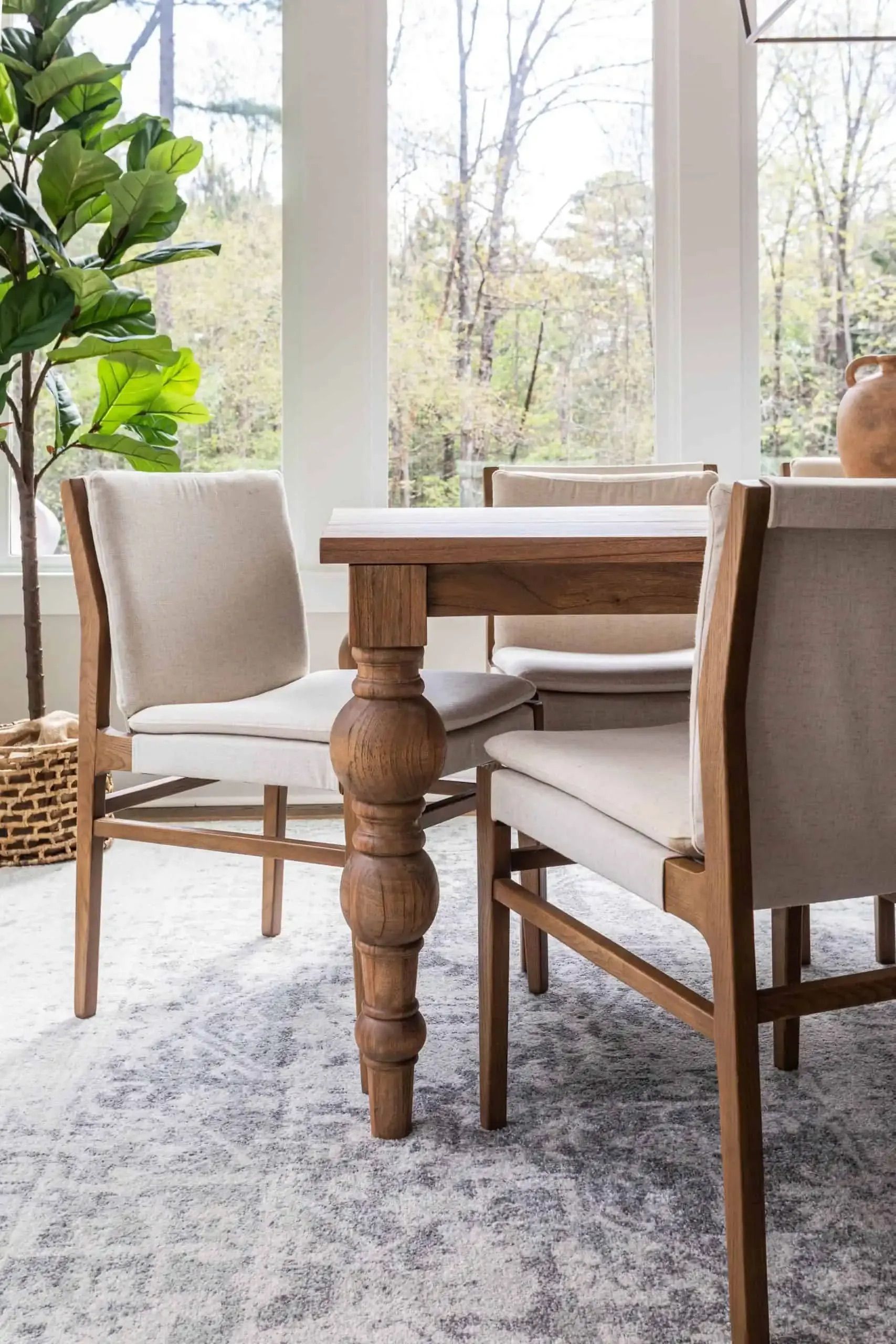
A high-quality wool rug can retain its beauty for years, even in frequently used spaces.
The best rug material depends heavily on the space and how it’s used. As a full-service Atlanta design group, we always guide clients toward materials that align with both their lifestyle and aesthetic goals. A rug may look beautiful initially, but if it doesn’t function well within the home, it rarely remains a long-term success.
Wool Rugs
Wool remains one of the best choices overall because it’s timeless, durable, and naturally stain-resistant. Wool rugs also age beautifully, making them one of the most worthwhile long-term investments.
It performs especially well in:
- Living rooms
- Bedrooms
- Dining rooms
- High-traffic gathering spaces
Performance Rugs
Performance rugs have improved significantly in recent years and no longer feel overly synthetic or temporary. Polypropylene, nylon, and polyester blends have become increasingly popular because they’re soft, practical, and easy to clean.
These rugs work particularly well for:
- Homes with pets
- Families with children
- Kitchens
- Entryways
Materials We Typically Avoid
Viscose and rayon rugs are materials we generally caution homeowners against, unless they’re used in very low-traffic areas.
While visually beautiful at first, they tend to stain easily, flatten over time, show wear quickly, and require more maintenance. For everyday living, durability usually matters more than initial appearance.
Flatweave vs. Plush Rugs
 copy.jpg)
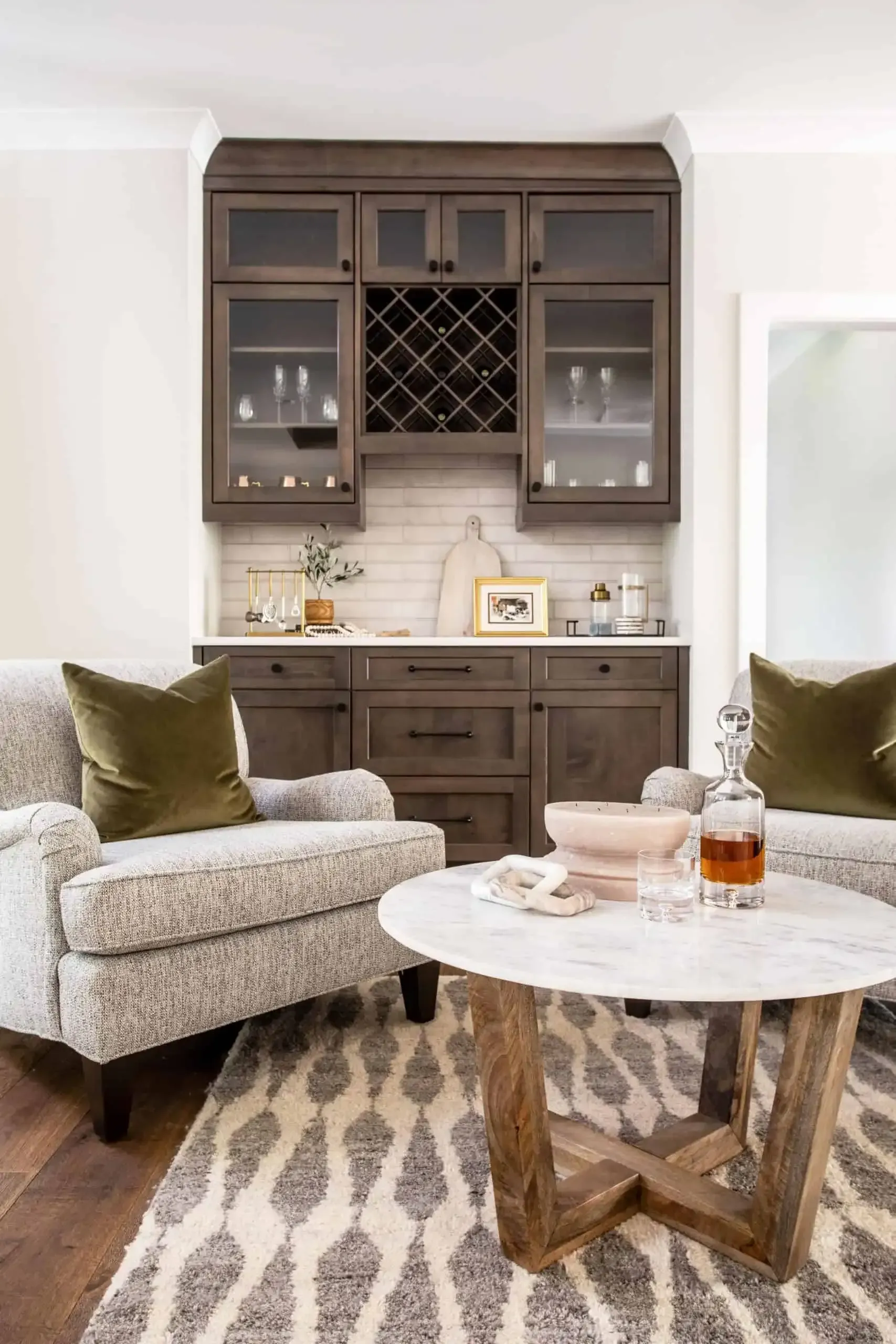
Flatweave rugs are often the best choice for entryways and landings, where durability, easy maintenance, and frequent foot traffic take priority over softness.
Soft, organic patterns tend to age more gracefully than bold geometric designs.
Flatweave rugs are often the best choice for entryways and landings, where durability, easy maintenance, and frequent foot traffic take priority over softness.
Soft, organic patterns tend to age more gracefully than bold geometric designs.
Flatweave and plush rugs create very different experiences both visually and functionally, which is why we guide clients toward different options depending on how the room is used.
Flatweave Rugs
Flatweave rugs tend to feel cleaner, more tailored, and slightly more relaxed because they sit closer to the floor, creating a more streamlined look overall.
They’re also easier to clean, show less furniture compression over time, and tend to wear more evenly in high-traffic areas since they trap less debris and pet hair.
Visually, flatweaves often make a room feel slightly larger because they carry less visual weight across the floor.
Plush Rugs
Plush rugs will have a softer, warmer feel to them. They make spaces feel cozier, in part because of their plush material and in part because higher-pile rugs absorb more light.
However, plush rugs do require more maintenance than many homeowners expect. Vacuum lines, furniture indentations, and wear patterns tend to show more quickly, especially in busy households.
Neither option is universally better. The right choice depends on how the space functions, how much traffic it receives, and the overall feeling you want the room to have.
Here’s are guidelines to follow:
- Flatweave rugs tend to feel cleaner and more structured
- Chunkier wool rugs create warmth and softness
- High-pile rugs absorb more light, making spaces feel cozier
- Low-pile rugs reflect slightly more light and are easier to maintain
Timeless Patterns for Hardwood Floors
 copy.jpg)
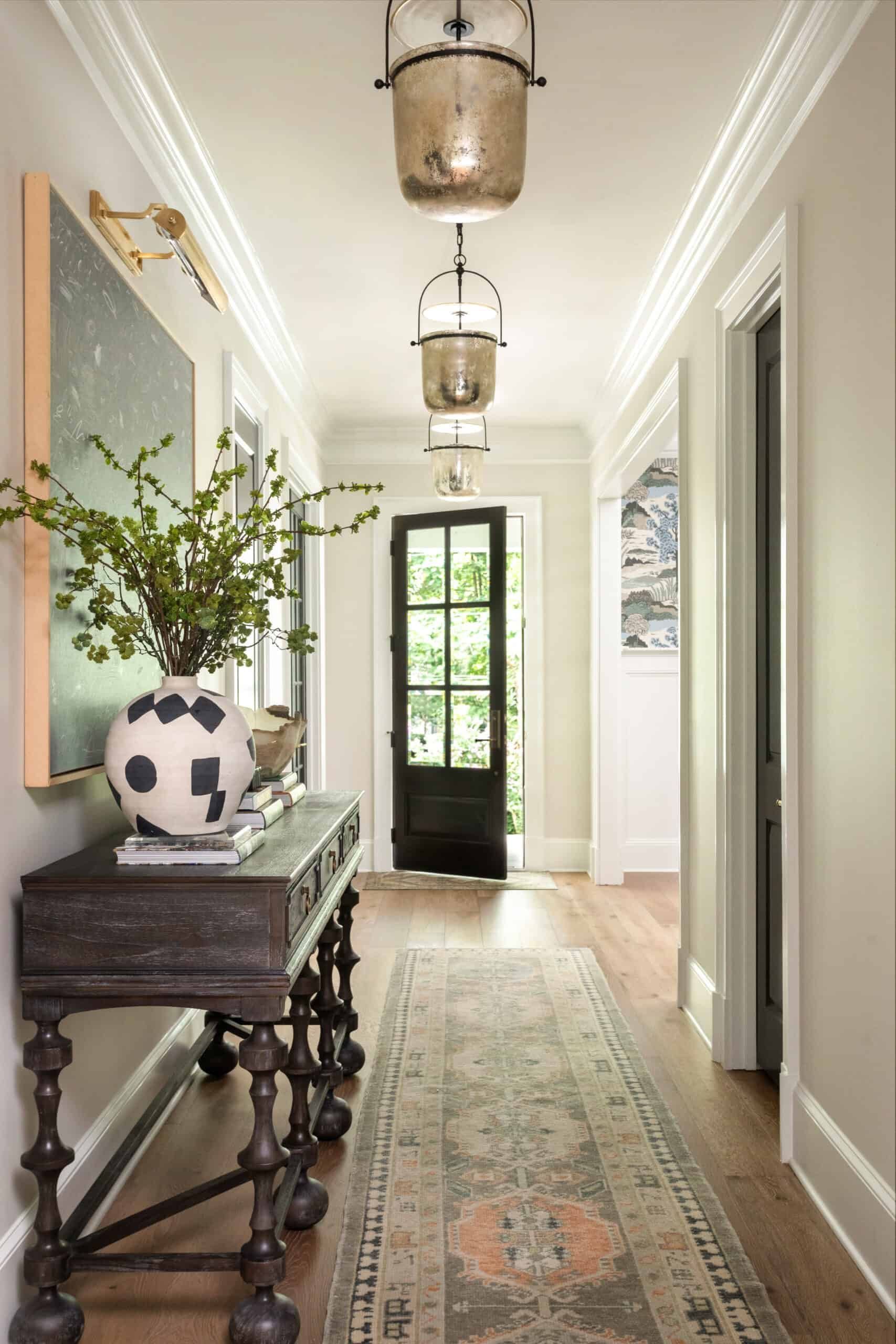
Traditional patterns bring visual interest to hallways, landings, and entry points where furniture is minimal.
Subtle stripes add dimension without overwhelming a space, making them a timeless choice for dining rooms and open-concept homes.
Traditional patterns bring visual interest to hallways, landings, and entry points where furniture is minimal.
Subtle stripes add dimension without overwhelming a space, making them a timeless choice for dining rooms and open-concept homes.
One of the easiest ways to create a more elevated home is by choosing rugs in neutral tones and timeless patterns that age gracefully. We typically opt for rugs with at least a subtle pattern, as they naturally disguise crumbs, pet hair, and wear much better than a solid rug in a busy household.
We tend to gravitate toward:
- Traditional rugs like Persian or Heriz styles
- Vintage-inspired Turkish rugs
- Subtle stripes
- Soft tonal patterns
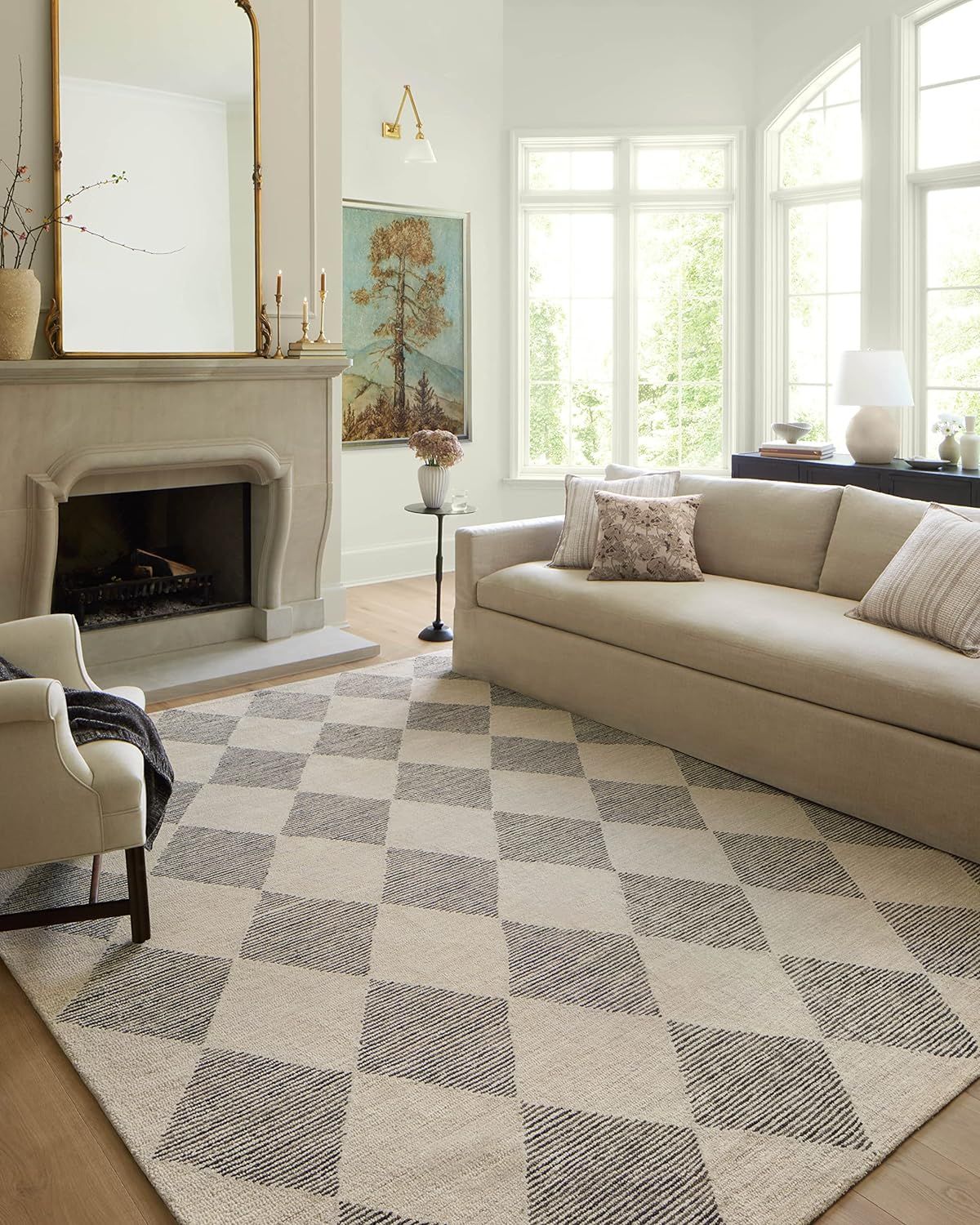
Highly trendy graphic rugs, like bold checkerboard patterns or busy geometric prints, often start to visually dominate the room after a few years, while softer, low-contrast patterns and subtle texture variations tend to integrate more naturally with changing furniture, artwork, and decor.
Bringing It All Together: Best Rugs for Each Space
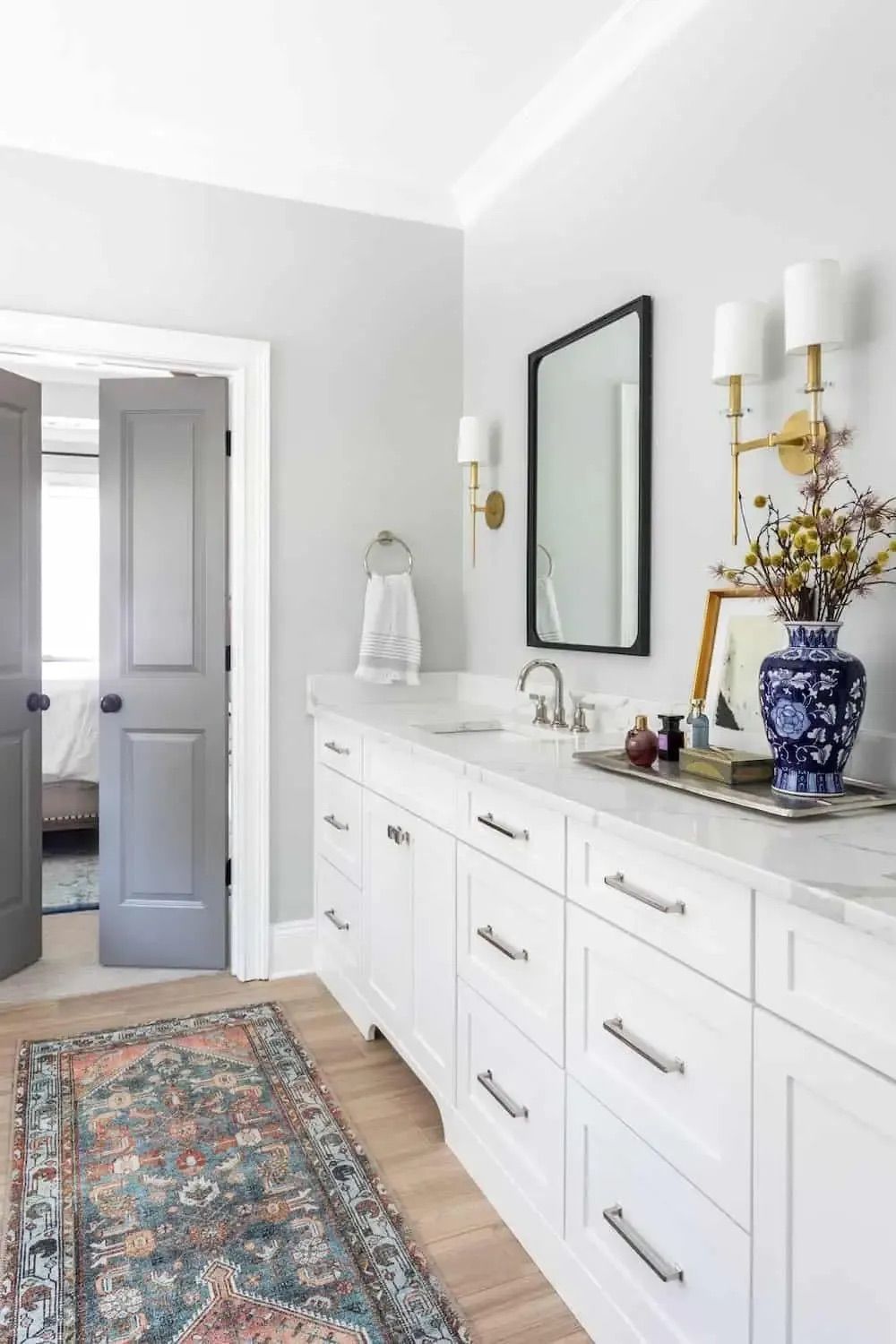
Vintage-inspired runners bring warmth, softness, and personality to bathrooms while feeling more elevated than a traditional bath mat.
The best rug choices happen when material, pile, pattern, and function all work together. A rug that works beautifully in a bedroom may feel completely impractical in a dining room or entryway, which is why we always guide clients room by room rather than trying to apply one solution throughout the entire home.
The best neutral rug for living room spaces is often a wool or wool-blend rug with tonal variation or a vintage-inspired pattern. The best type of rug for dining room layouts is usually a lower-pile wool or flatweave rug with subtle patterning that extends far enough for chairs to remain fully on the rug when pulled out.
The best kitchen runner rugs are typically low-pile performance rugs or vintage-inspired runners that can better disguise spills and daily wear. In the same vein, the best type of rug for entryway spaces is usually a durable flatweave or performance rug with enough variation and pattern to disguise dirt and foot traffic over time.
Bathrooms benefit from rugs that feel softer and slightly more elevated. The best rug for bathroom spaces is often washable, absorbent, and lower profile, while the best luxury bathroom rug styles tend to incorporate muted vintage patterns or tonal neutrals that feel more integrated into the overall home design rather than looking like traditional bath mats.
Contact Our Rug Experts Today
Ultimately, the importance of rugs in interior design comes down to balance. The right rug should support how the room functions while also helping the space feel layered, cohesive, and intentional.
Whether you’re refining a single room or approaching a full custom home design project, thoughtful rug selection makes a significant difference in how polished a home ultimately feels. If you’re looking for local interior designers who can help thoughtfully layer rugs, textures, and finishes throughout your home, contact us today!