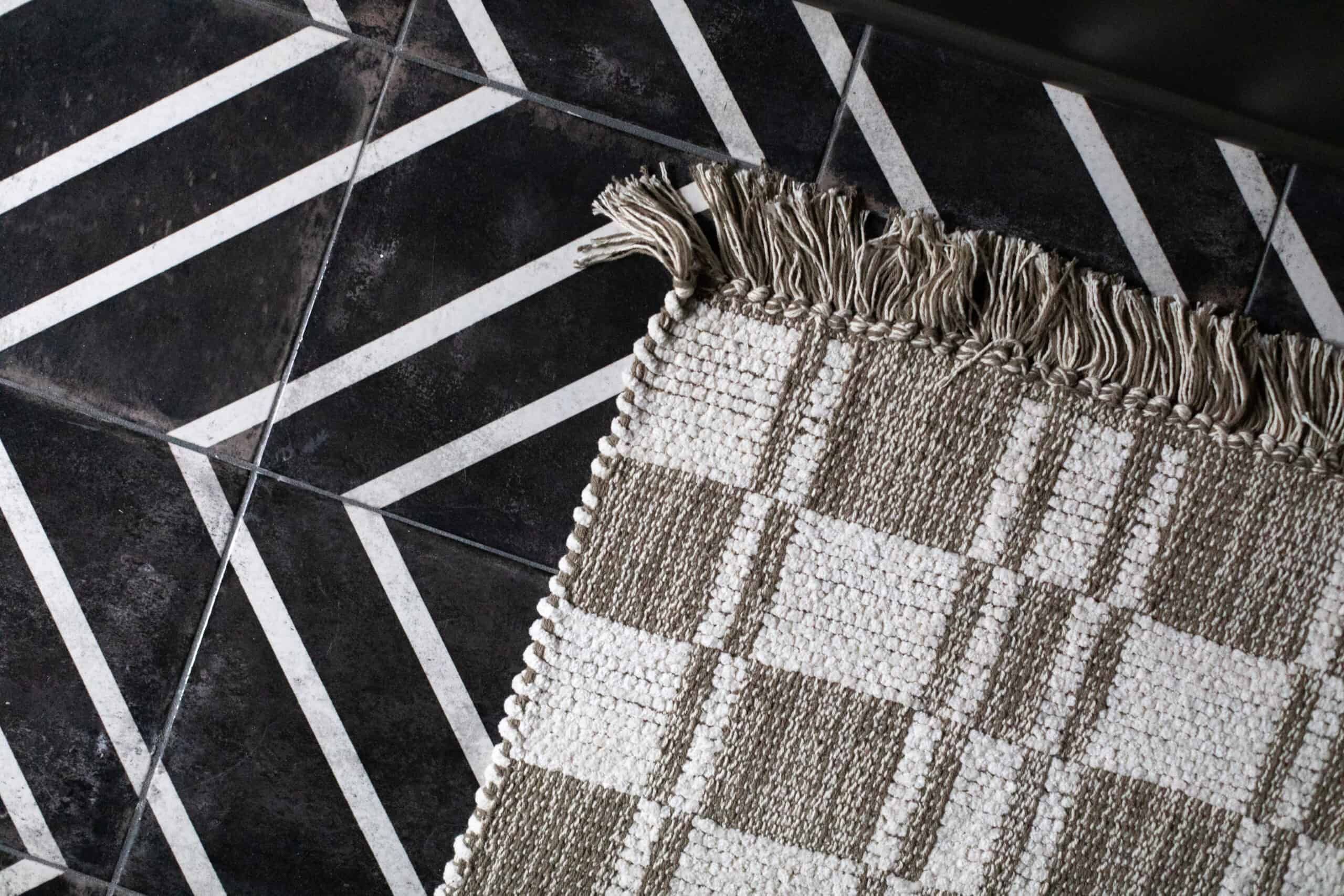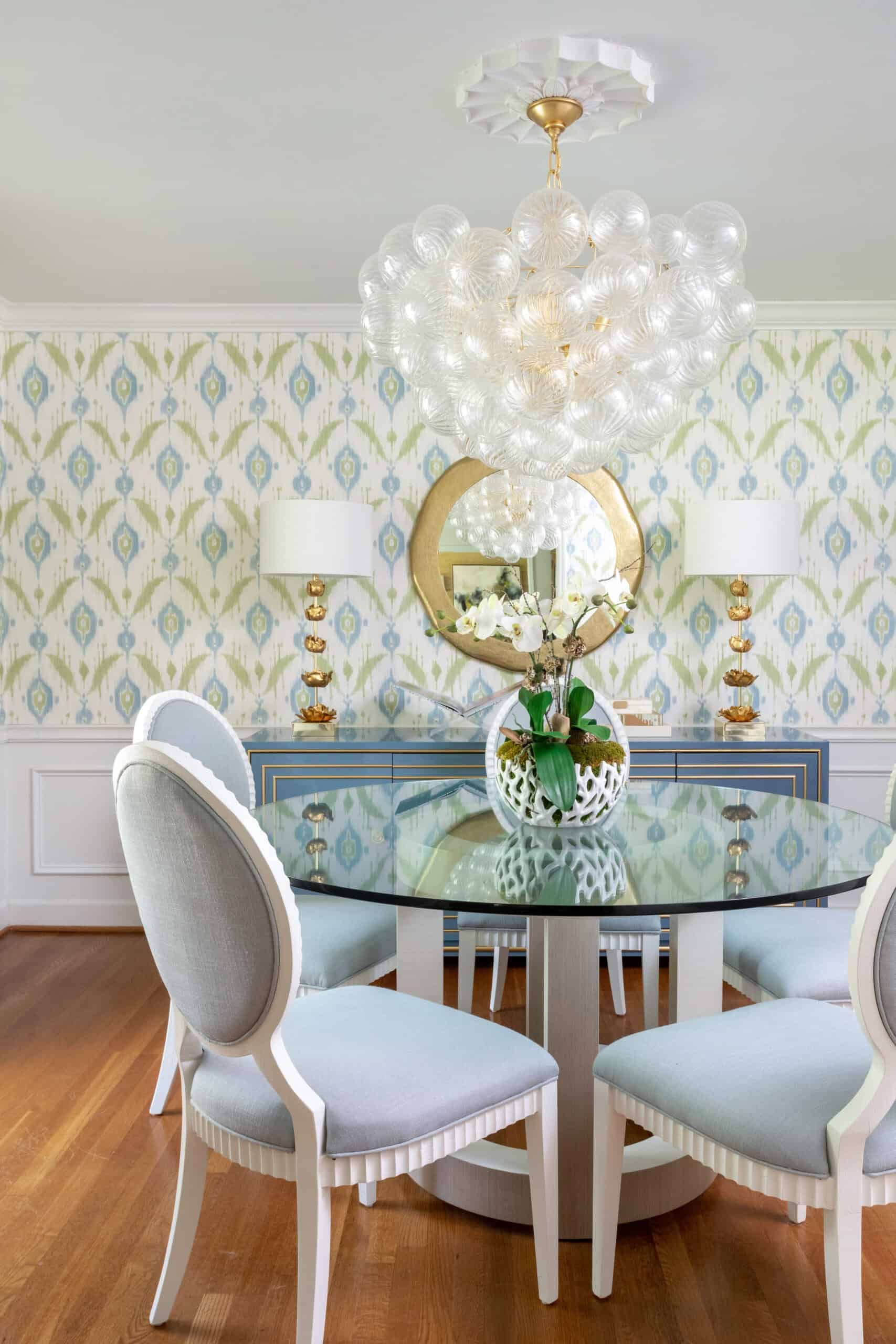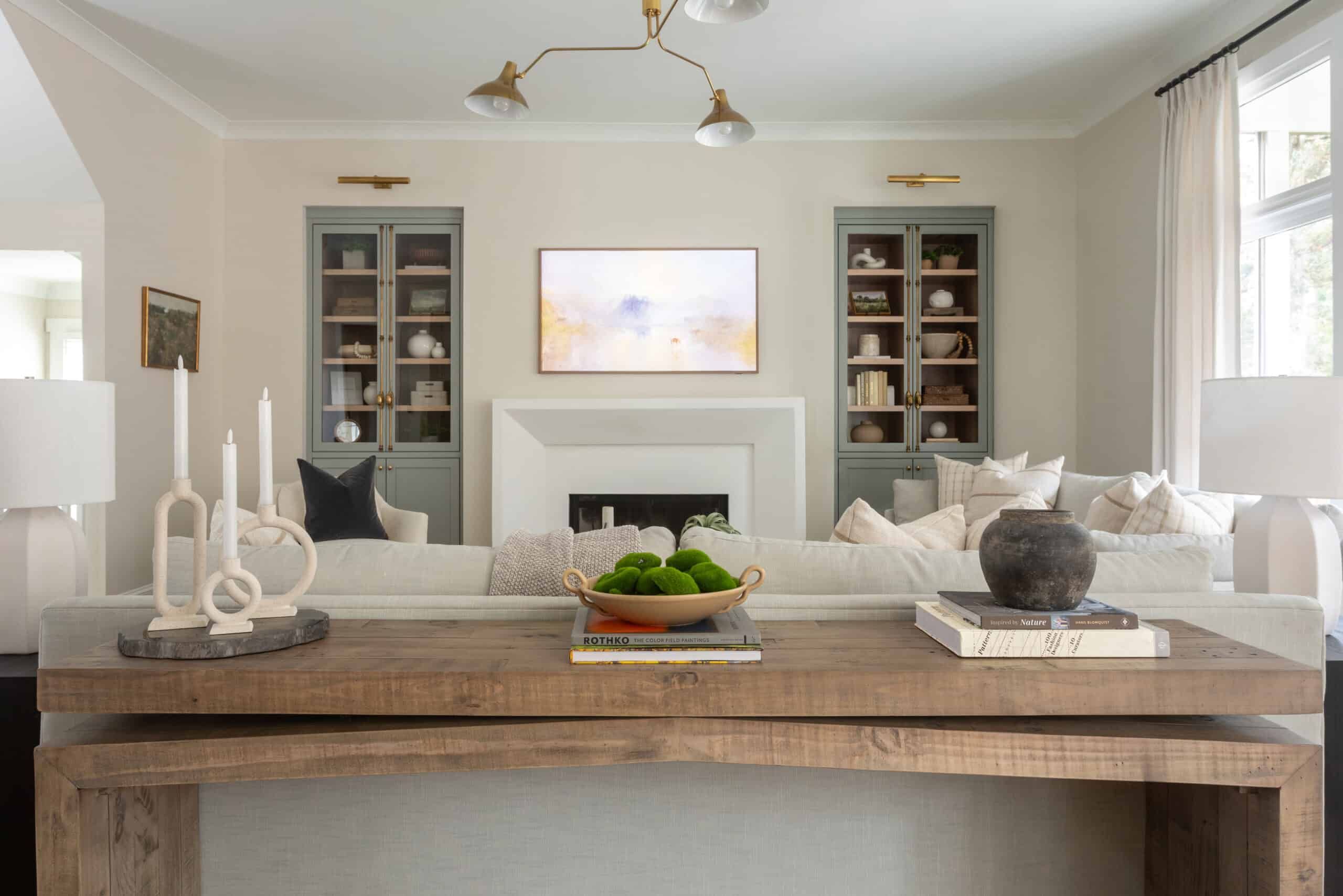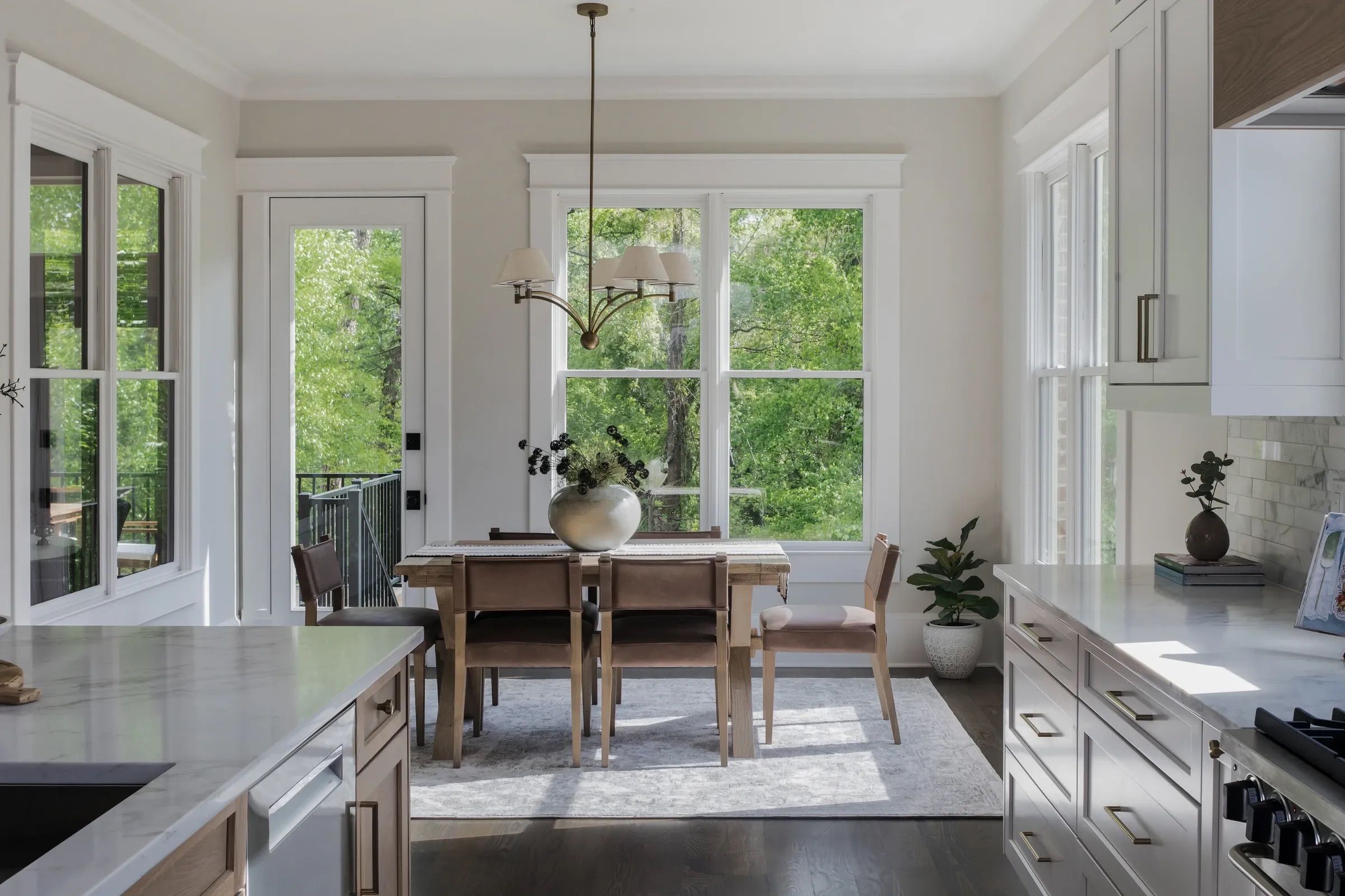

*This post contains Amazon affiliate links. If you use these links to buy something, Z & Co. Design Group may earn a commission. Check out our curated list of decor & home essentials here.
Choosing the right rug can make or break a space. And yet, it’s one of the most common areas we, as Atlanta interior designers, see even beautifully furnished rooms fall short. If you’ve ever asked yourself how big should my rug be, or what material is best, you’re not alone.
A rug isn’t just a decorative layer. It anchors furniture, defines zones, adds warmth, and creates visual balance. Below, we’re breaking down our essential interior design rug rules, from sizing and placement to materials and patterns, so you can choose confidently and avoid the most common and costly mistakes.
Why Rug Size Matters More Than You Think
The most common rug mistake we see isn’t pattern or color. It’s choosing a rug that’s too small. A rug that doesn’t properly relate to the furniture makes the entire room feel disjointed, even if every other design element is well executed.
When done correctly, the right rug size:
- Grounds the furniture layout
- Makes the room feel larger and more intentional
- Creates cohesion between individual pieces
- Enhances flow in open concept spaces
As a general rule of thumb, it’s almost always better to size up than down. Try to get the largest rug size that fits the room without covering vents or door clearance areas.
Living Room Rug Rules: How Big Should My Area Rug Be?
 (1).webp)
Subtle patterning adds depth to the room without competing with bolder elements like the coffee table and built-ins.
Living rooms come in all different shapes and sizes. Depending on the dimensions of your space, these are the two best options on how to choose a rug for your living room.
Option 1: All Furniture on the Rug
This is the most polished look and our preferred choice when space allows. All legs of your sofa, chairs, and coffee table should sit fully on the rug, creating one cohesive seating zone. Ancillary living room furniture, such as a console table behind your couch, does not need to sit on the rug.
Option 2: Front Legs on the Rug
If the room is tighter, placing just the front legs (at least the first third) of the main living room furniture on the rug still works beautifully.
What to avoid: A small rug floating under just the coffee table. This is the fastest way to make a living room feel disjointed and unfinished.
While sizing up is usually the right move, there is such a thing as a rug that’s too big. When deciding how big should my area rug be, avoid placing the rug flush with the wall on any side.
Dining Room Rug Rules: Size and Placement
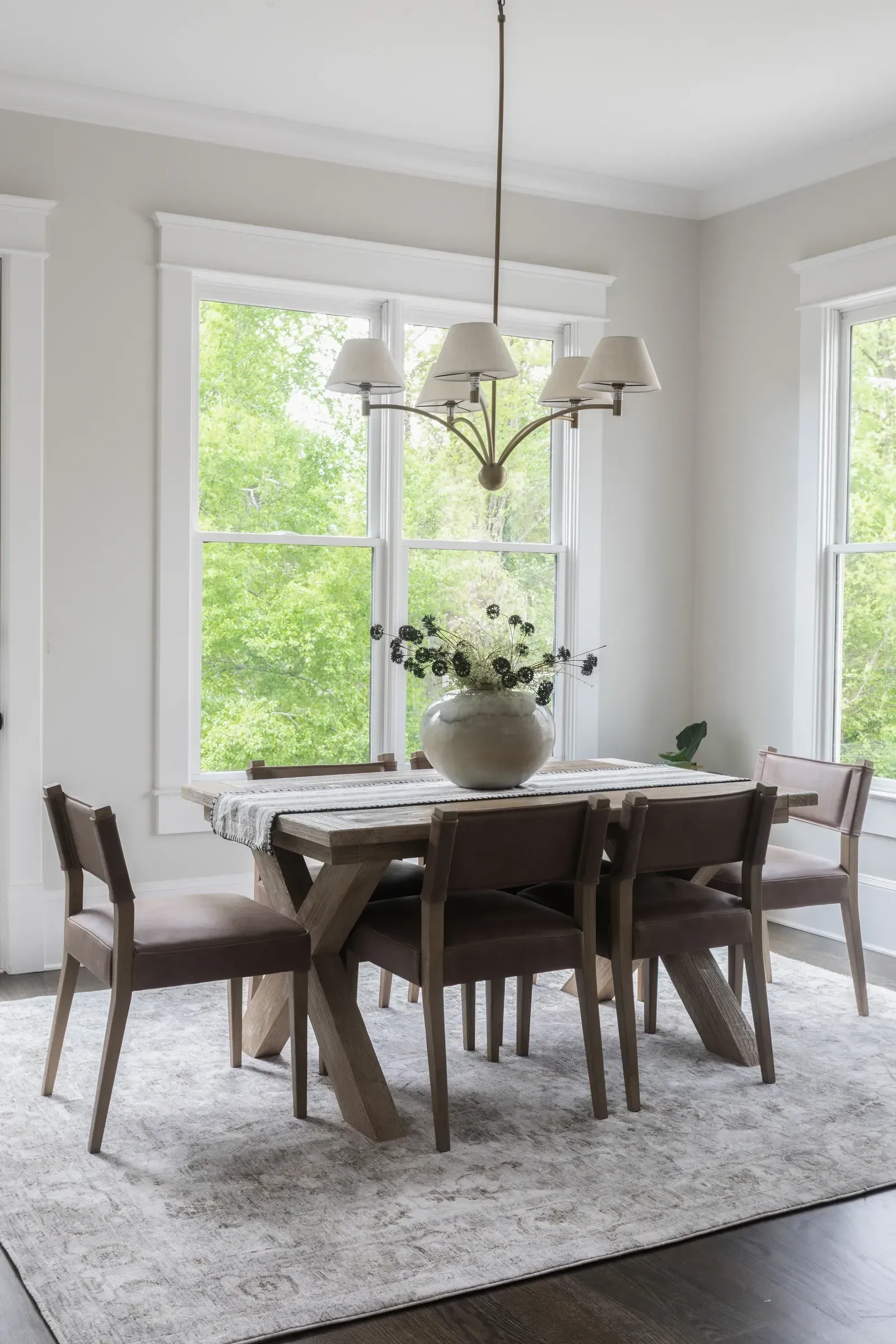
A neutral rug like this creates continuity with adjacent spaces while still defining the dining area.
Dining rooms are an area where precise sizing matters. Your rug should extend approximately 24 inches beyond the dining table on all sides. This ensures chairs stay on the rug even when pulled out and prevents chair legs from catching and wearing your rug unevenly.
Our designers’ advice on how to choose a dining room rug is to prioritize function over aesthetics. Low-pile or flatweave rugs are ideal for easy clean-up and should always be paired with a quality rug pad for stability.
Bedroom Rug Rules: Comfort Without Overcrowding
.jpg)
When a rug runs all the way to the back wall, it can make a bedroom feel visually heavy. Leaving space around the rug helps the room feel lighter and more considered.
When choosing a rug for your bedroom, choose one that adds softness without overwhelming the space.
The ideal size:
- Extends past the sides of the bed and beyond the width of the nightstands
- Doesn’t cover any floor vents
- Does not go under the nightstands or hit the back wall
This creates a balanced look while keeping furniture placement clean.
Bedrooms are one of the few spaces where layering a rug over carpet works well. As long as the underlying carpet is neutral in pattern and color, the room can handle added texture without feeling visually busy.
Rug Pads are a Must
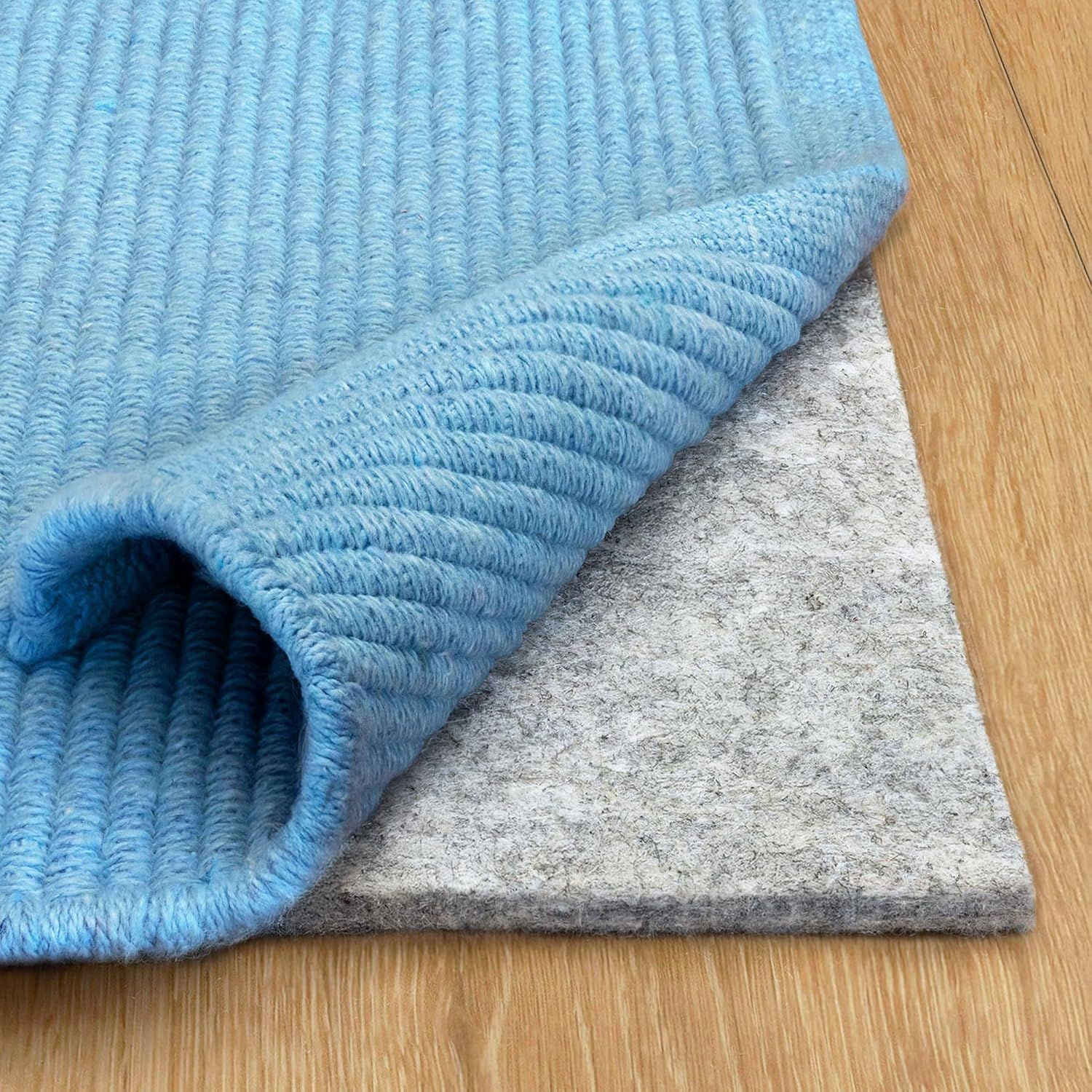
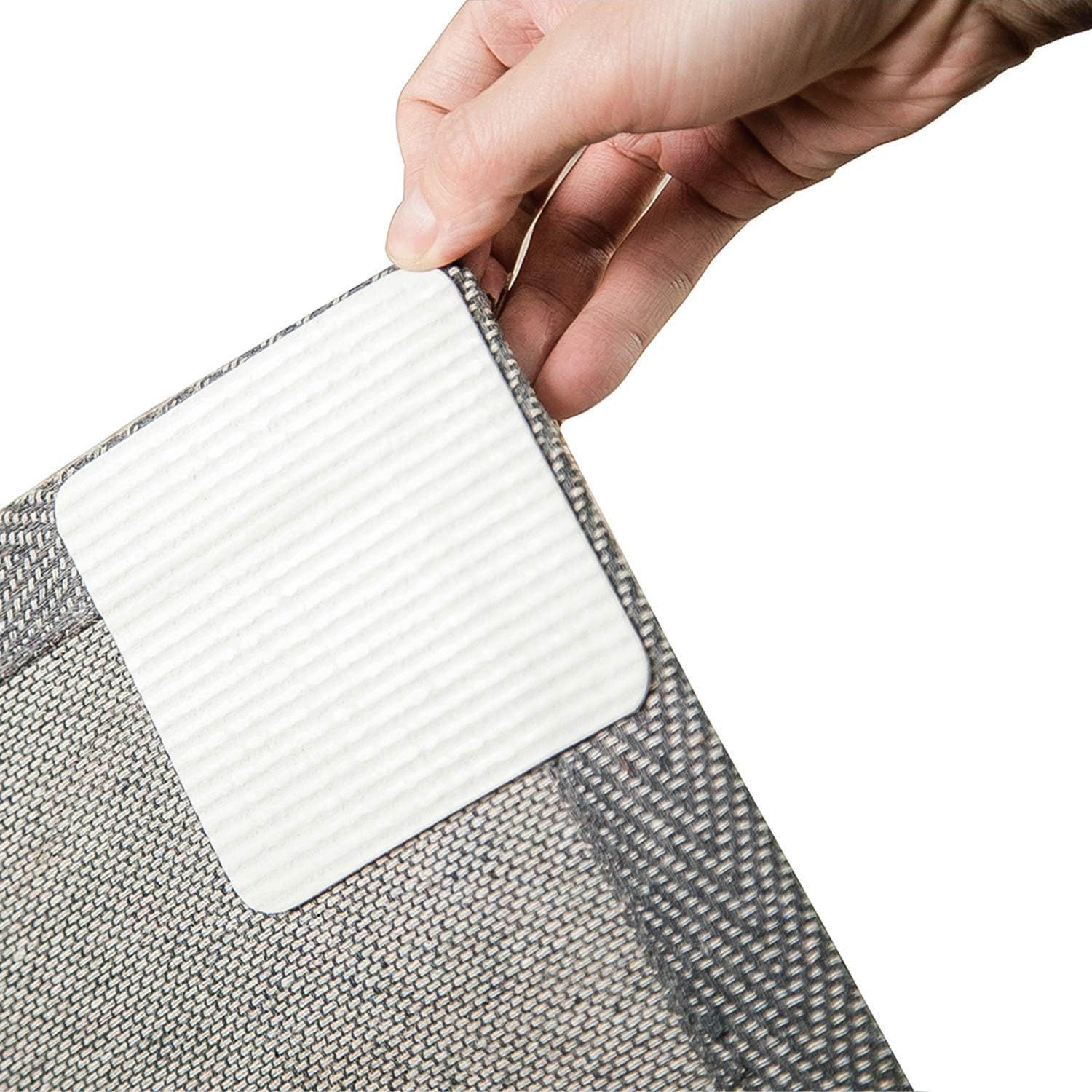
If there’s one non-negotiable rule, it’s this. Always use a rug pad or rug tape. Mohawk and RugPadUSA rug pads are great options for their durability and grip, while rug grippers can be an effective and cheaper alternative.
Rug pads:
- Prevent slipping
- Protect floors
- Extend the life of your rug
- Improve comfort underfoot
Skipping this step often leads to wrinkling, shifting, and premature wear, especially in high-traffic areas.
When deciding between rug pads and rug grippers, consider the rug's size and how the space is used. Rug pads are best for larger rugs, adding cushioning, stability, and floor protection, while rug grippers work well for smaller rugs or runners that need to stay securely in place.
.jpg)
Choosing the Best Material for Rugs
Material matters just as much as size when selecting a rug. As a premier Atlanta design group, we evaluate rug materials based on how they’ll perform in real homes, not just how they look in a showroom. When guiding clients toward the best material for a rug, we look at durability, maintenance, and how the space is actually used.
Wool and hand-knotted rugs are among the most durable options available. They’re natural, timeless, and well-suited for high-traffic areas, though some shedding is normal, especially early on. This typically subsides with regular vacuuming and wear.
50-50 Polypropylene / polyester rugs are another strong option, particularly for households with kids or pets. These rugs are soft underfoot, budget-friendly, and easy to clean, making them a practical choice for everyday living.
One material we generally advise against is rayon or viscose, unless the rug is placed in a rarely used space. These fibers stain easily and don’t hold up well over time, making them less suitable for most homes.
For entryways, durability is key. If you’re deciding on the best rug material for entryway spaces, choose a low-pile rug made from easy-to-clean materials that can handle frequent foot traffic without showing wear, such as polypropylene, nylon, or performance blends.
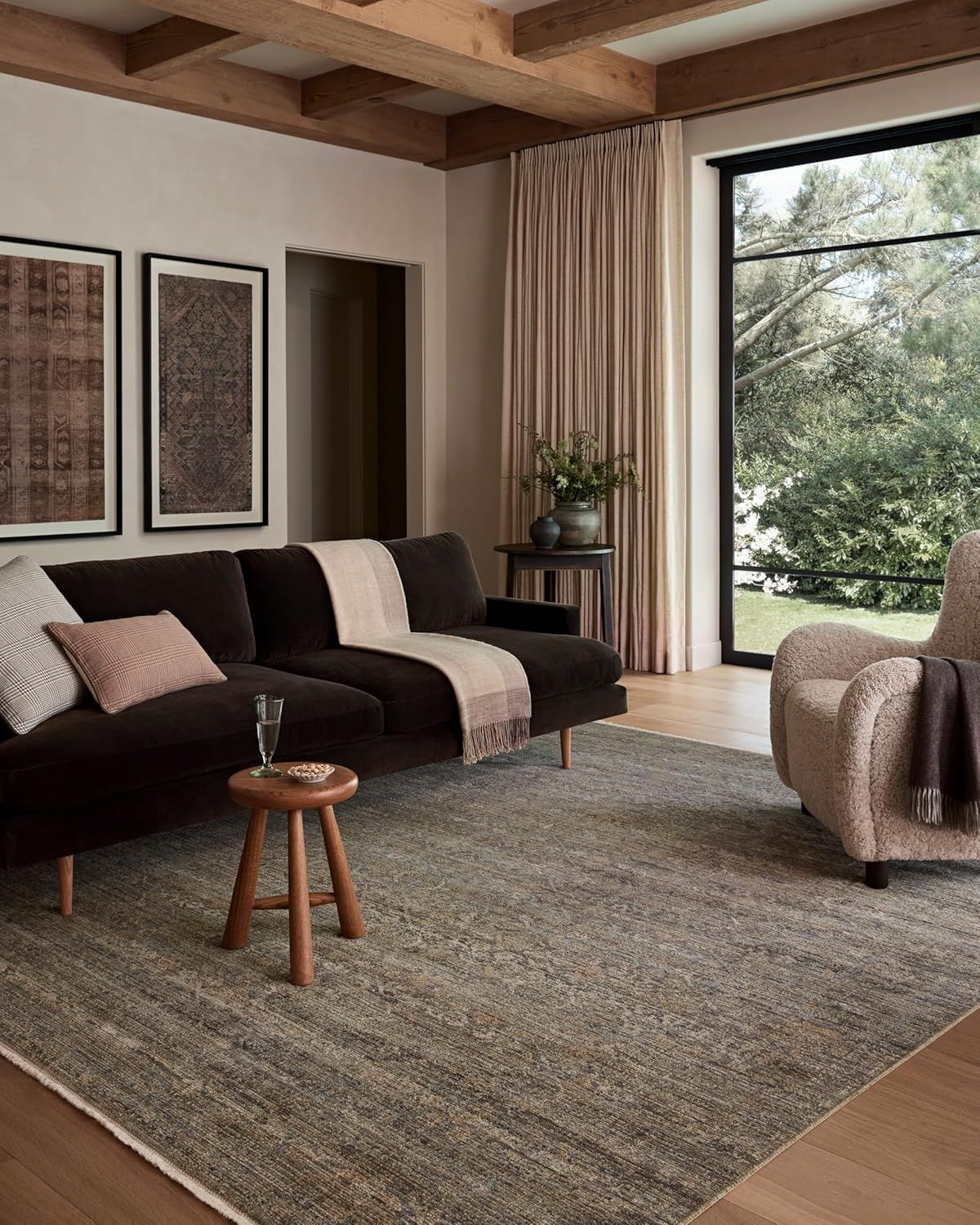
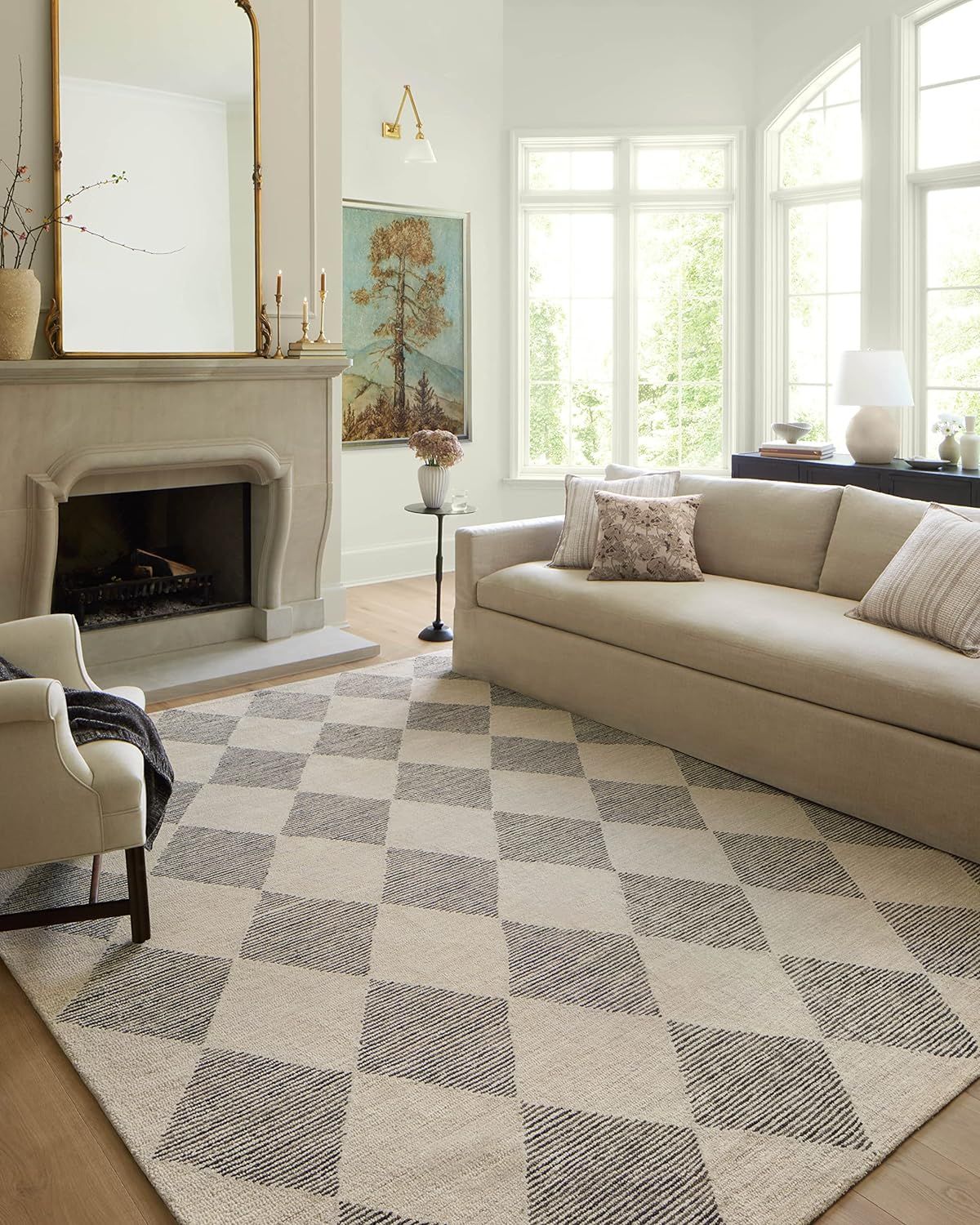
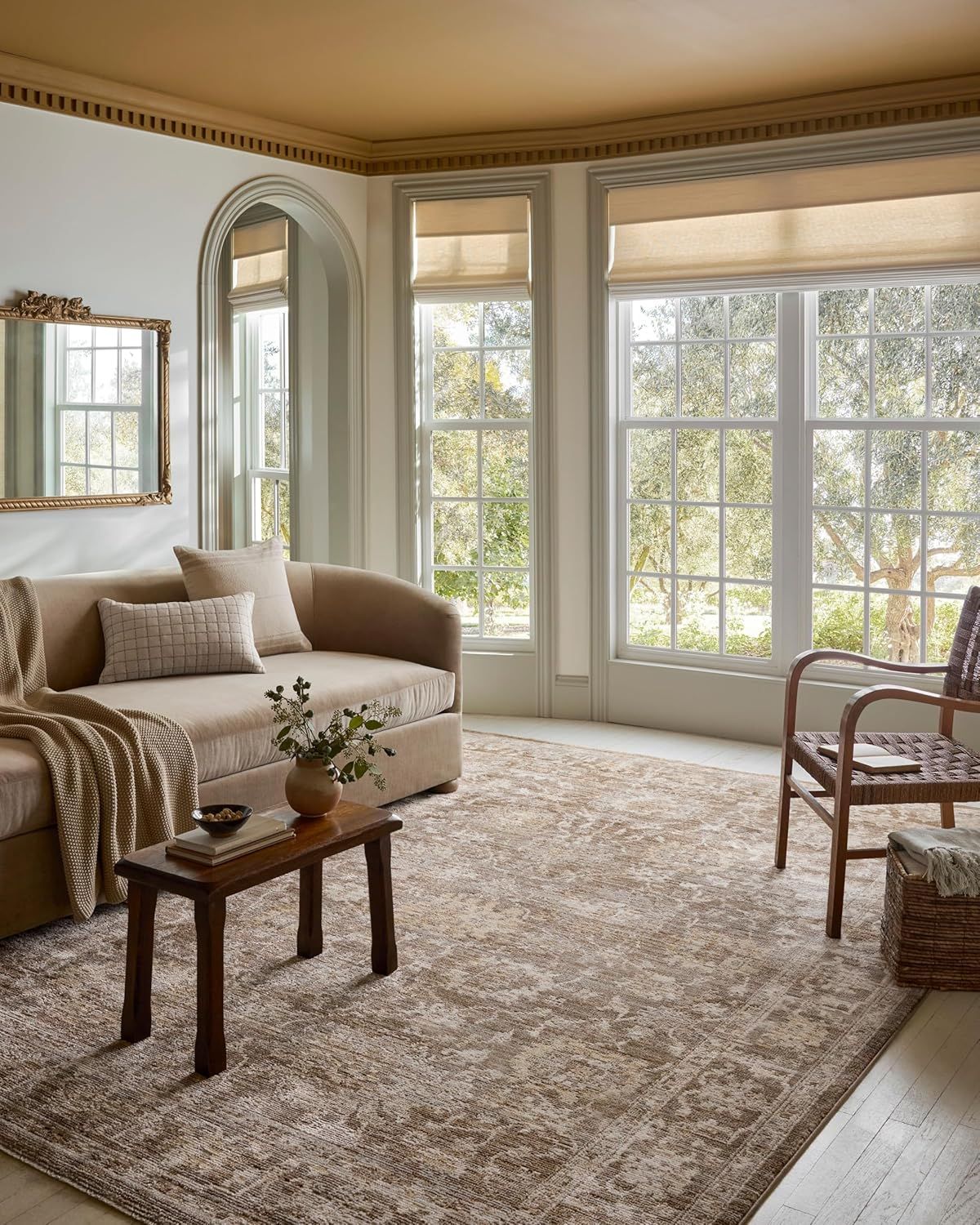
Outdoor Rugs: Best Outdoor Rug Material for Rain
For patios and covered outdoor areas, go for cheaper, seasonal options.
For the best outdoor rug material for rain, opt for synthetic materials designed to dry quickly, but don’t expect them to last forever. Outdoor rugs are meant to be replaced more frequently, and that’s okay.
Patterns We’re Loving
.jpg)
A medallion rug works especially well in transitional spaces like landings, where the centered pattern visually grounds the area without requiring furniture to anchor it.
Pattern is often what gives a rug its personality, and it can play a significant role in how finished a space feels. While bold or highly graphic rugs can be fun, we tend to gravitate toward patterns that add visual interest without overwhelming the room.
Our go-to rug styles right now include:
- Traditional patterns like Heriz or Persian
- Stripes
- Vintage Turkish rugs
- Solid rugs in pretty fabrics, such as nylon.
These options offer enough movement and detail to anchor a space while still allowing furniture, finishes, and architectural elements to take center stage.
Interior Design Rug Rules: The Details That Make the Difference
Choosing the right rug is about more than aesthetics. It’s about proportion, function, and how the space is actually used. Details like furniture placement, materials, and clearances all contribute to creating a room that feels intentional and well-balanced.
In custom home design, these decisions are what separate a finished space from one that feels just shy of complete. At Z & Co. Design Group, our local interior designers work with homeowners to get these details right.
If you’re ready to make confident, lasting design decisions, our team is here to help guide you every step of the way.