
 (1) 2 copy.jpeg)

Interior design trends are everywhere. One year, it's all-white kitchens and cool gray interiors. The next, it's warm wood tones, bold colors, and statement-making materials. With so much inspiration at our fingertips, it's easy to fall in love with a particular look without considering whether it truly belongs in our homes.
But here's the thing: timeless interior design isn't about avoiding trends altogether. It's about making thoughtful choices that complement your home's architecture, reflect your personal style, and remain beautiful long after the latest trend has passed.
As Atlanta interior designers, we've seen how quickly certain design decisions can make a home feel dated, especially when they're incorporated into permanent features like cabinetry, flooring, and tile. We've also seen how the right combination of materials, proportions, and personal details can create a home that feels fresh for decades.
So, how do you know which interior design trends to embrace and which to leave behind? Here are six principles we consider when designing spaces that stand the test of time.
1. Let Your Home's Architecture Lead the Way

Classic arched windows pair beautifully with a mix of traditional and contemporary furnishings, creating a fresh look that still honors the home's architecture.
Before choosing finishes, furnishings, or even a color palette, take a good look at your home's architecture.
One of the foundations of timeless home design is understanding how your home's architecture should influence the materials, finishes, and furnishings you choose. Whether you're renovating an existing space or planning a custom home design, the goal is to make choices that complement the home's architectural character.
For example, a sleek, linear fireplace can be a beautiful architectural feature in a modern home. But introduce that same fireplace into a traditional residence with classic millwork and architectural detailing, and it may feel out of place. The fireplace itself isn't necessarily dated. It simply looks like a trend was prioritized over the home's character.
That doesn't mean a traditional home can only support traditional furnishings throughout. In fact, mixing styles can create some of the most interesting interiors. The goal is to introduce contemporary touches that complement the home's existing character rather than compete with it.
Before committing to a trend, consider whether it truly enhances your home's architecture or simply introduces a look you happen to love right now.
2. Timeless Interior Design Starts With Lasting Materials
.webp)
Natural wood flooring, durable surfaces, and quality finishes create a lasting foundation that can adapt to changing styles without requiring a complete redesign.
When homeowners ask us how to create a timeless home, we often start with the materials. Natural stone, beautiful wood finishes, and quality cabinetry provide a foundation that can evolve with changing styles.
Consider the difference between natural marble and a heavily patterned material designed to imitate a particular marble trend. Natural stone offers variation, depth, and character that feel organic to the material itself. A manufactured look may be beautiful, but when its pattern is strongly associated with a particular design moment, it can become dated more quickly.
The same principle applies to wood finishes. Natural wood tones bring warmth and dimension to a space without relying on an overly specific color trend. Quality cabinetry with appropriate proportions and thoughtful detailing can remain beautiful even as decorating styles change around it.
Of course, natural materials aren't automatically the right choice for every application. Durability, maintenance, and lifestyle should also factor into the decision. The goal is to select materials that make sense for your home and that you'll appreciate beyond their current popularity.
And don't underestimate the importance of lighting. A well-proportioned fixture in a beautiful finish can become a lasting part of a room's character rather than something you're eager to replace in five years.
3. Be Selective With Trendy Tile
Tile is one of the areas where we encourage clients to think especially carefully about trends.
Unlike a piece of furniture or a paint color, tile isn't particularly easy or inexpensive to replace. Once it's installed in a primary bathroom, kitchen, or large living area, you're making a significant commitment.
Highly patterned tiles, busy geometric designs, and novelty shapes can be exciting, but they can also tie a room to a particular moment in design.
For major permanent applications, we often gravitate toward classic shapes, subtle textures, and natural materials. These choices allow the material's character to shine without overwhelming the space.
-1.webp)
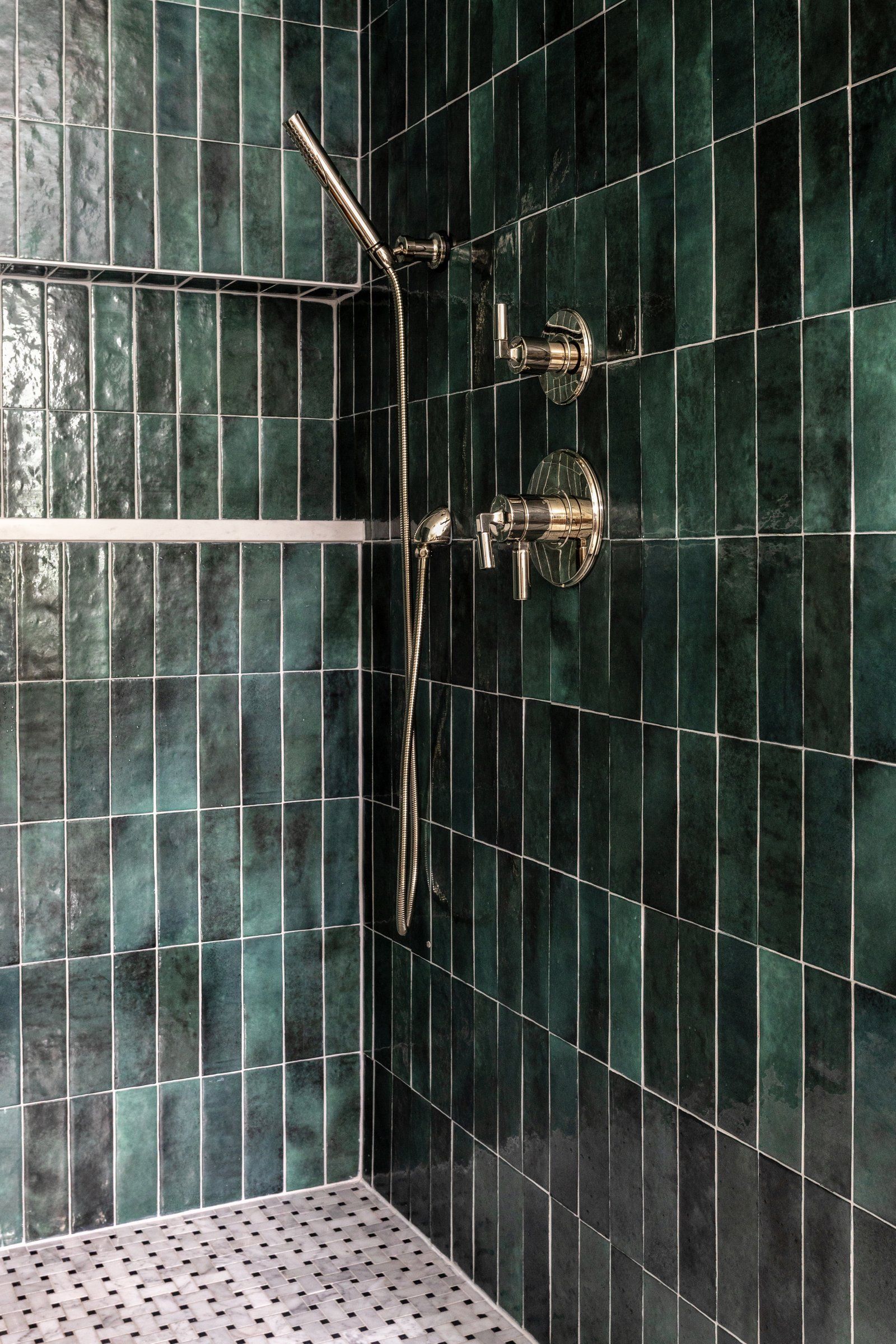
Subtle variations in texture, color, and layout can make even simple tile shapes feel interesting and distinctive.
Subtle variations in texture, color, and layout can make even simple tile shapes feel interesting and distinctive.
That doesn't mean every bathroom needs to be covered in plain white tile. There's plenty of room for creativity through variations in size, layout, finish, and texture.
For example, using the same natural stone in multiple formats can create visual interest while maintaining a cohesive design. You might use a larger format on the bathroom floor, a smaller tile on the shower floor, and a complementary format on the shower walls.
If you love a bold patterned tile, consider whether it belongs in a smaller space, such as a powder room, where making a statement can be part of the fun.
4. Outdated Interior Design Trends: It's Often the Combination, Not the Color
Two questions we hear frequently are: Is gray out? And are white kitchens out of style? The answers aren't quite as simple as the headlines might suggest.
Is Gray Interior An Outdated Interior Design Trend?
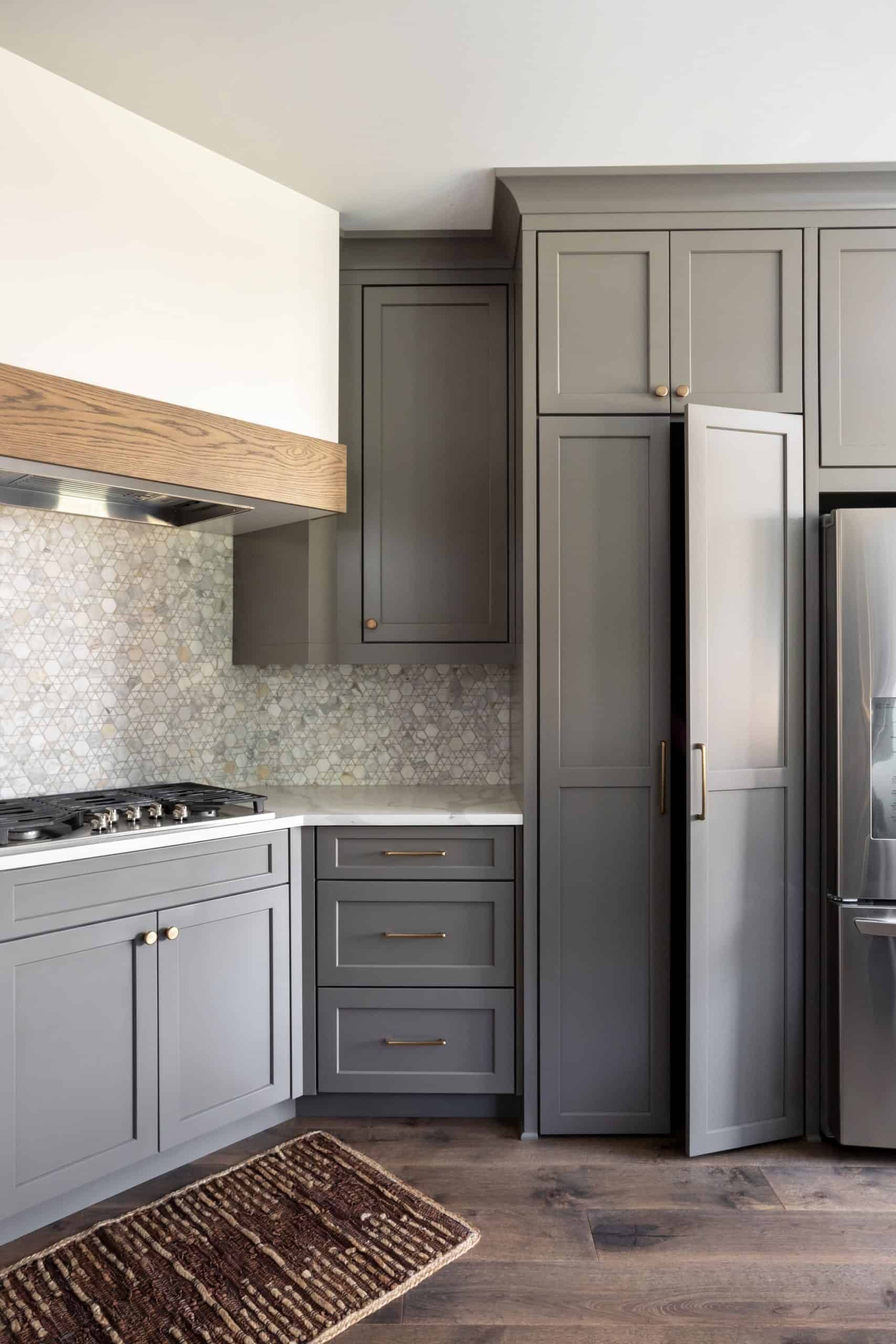
Warm wood tones and textured finishes balance gray cabinetry, creating a layered look that feels far from outdated.
Yes and no.
The cool gray-on-gray interiors that dominated design for years can feel dated today. Gray floors, gray walls, gray cabinetry, and cool-toned furnishings, layered together, create a recognizable look closely associated with a particular era.
But that doesn't mean gray itself is outdated.
Warm grays can be incredibly sophisticated, particularly when paired with natural wood, creamy whites, and warmer materials. The difference is in the undertones and surrounding palette. A color rarely exists in isolation; how it relates to everything else in the room determines whether it feels balanced.
Are White Kitchens Out of Style?
Absolutely not! White kitchens are classic, and we don't see that changing.
What can feel dated is a very specific formula: stark white cabinetry, white subway tile, black hardware, and gray flooring. That combination became so closely associated with the modern farmhouse trend that it can make a kitchen feel tied to a particular period.
.webp)
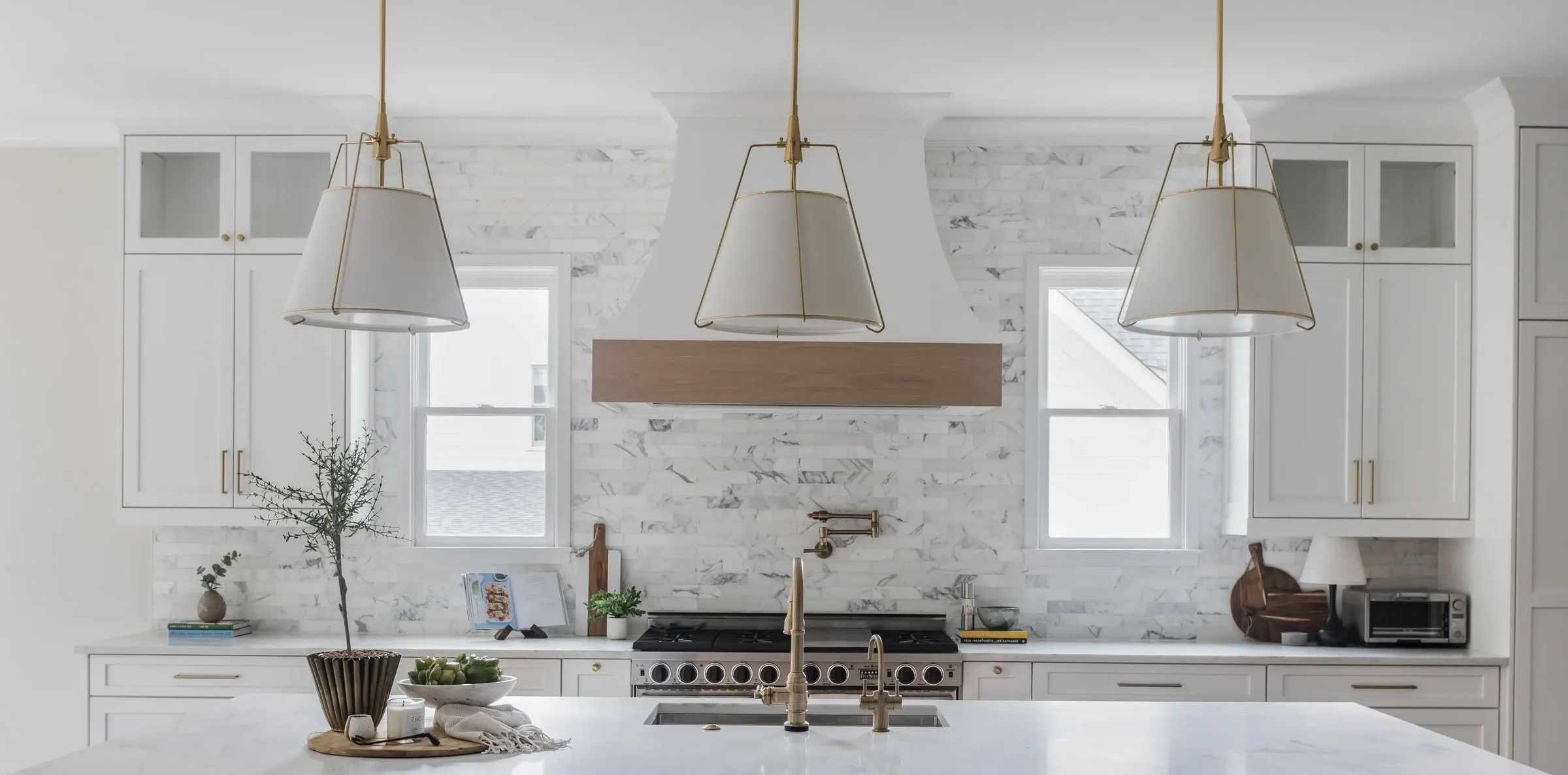
Natural wood accents, warm metals, and subtle textures give a classic white kitchen depth and dimension.
Rather than abandoning white altogether, consider introducing warmth and dimension.
Creamy whites, soft off-whites, natural wood accents, interesting textures, and thoughtfully chosen hardware can give a white kitchen a more layered and personal feel.
A timeless kitchen doesn't have to be entirely neutral, either. Beautiful wood cabinetry, painted finishes, and contrasting materials can all have lasting appeal when the selections complement the home's architecture.
The lesson? It's often the combination of design choices, not one individual color or material, that makes a space feel dated.
5. Remember That Scale and Proportion Never Go Out of Style
Even the most beautiful materials can feel wrong when the proportions aren't right. Scale and proportion are essential to good interior design, but they're easy to overlook when focusing on a particular style or aesthetic.
For example, oversized decorative molding can look beautiful in a home with generous ceiling heights and substantial architectural features. In a smaller room with lower ceilings, that same detail may feel heavy or out of place. The same principle applies to lighting, cabinetry, and furniture. Each element should feel appropriate for the space and work with the surrounding details.
Thoughtful proportions help create a cohesive home, even when incorporating different styles or unexpected design elements. Working with experienced local interior designers can help ensure every selection is considered in relation to the space as a whole.
6. Make Room for Trends Without Designing Your Entire Home Around Them
-1.jpg)
Colorful artwork and accessories introduce personality without committing to permanent design choices.
We love discovering new materials, colors, and design ideas. Trends can be inspiring, and there's nothing wrong with incorporating something that's currently popular. The key is being thoughtful about where you incorporate trends, particularly when it comes to features that aren't easy to change.
Think about the difference between installing a highly recognizable trendy backsplash throughout your kitchen and introducing a popular color through artwork, textiles, or upholstery.
One requires a renovation to change. The other can easily be updated as your tastes evolve.
Furnishings, art, rugs, pillows, and accessories are wonderful places to experiment. They allow you to introduce personality, play with color, and respond to new inspiration without compromising the home's foundation.
Interior Design Trends to Avoid: How to Know What's Right for Your Home
Before committing to a design trend, consider these five questions:
- Does it complement my home's architecture? A beautiful feature should feel connected to the home rather than added simply because it's fashionable.
- Would I still love it if it weren't trending? Think about whether you're drawn to the material or style itself, or primarily to how often you're seeing it.
- How difficult would it be to change? Permanent features deserve more consideration than decorative accessories.
- Does it complement the other elements in the space? Even beautiful selections can feel disconnected when the undertones, materials, and proportions don't relate to one another.
- Does it reflect the people who live here? Your home should support your lifestyle and personal taste, not simply recreate an image you found online.
Learning how to avoid design trends that won't stand the test of time doesn't mean ignoring what's popular. It means recognizing which ideas genuinely complement your home and which might feel out of place a few years from now.
The Best Interior Design Never Feels Like a Copy
At the end of the day, timeless interior design isn't defined by a particular color palette, furniture style, or list of approved materials.
It's about creating a home that feels considered.
When architecture, materials, proportions, and personal style work together, the result is an interior that feels authentic rather than manufactured around a passing trend.
At Z & Co. Design Group, we believe the most beautiful homes are layered, personal, and thoughtfully designed for the people who live in them. Whether you're planning a full renovation or looking to refresh your interiors, our Atlanta design group can help you make selections that feel right today and for years to come.

-1.webp)


